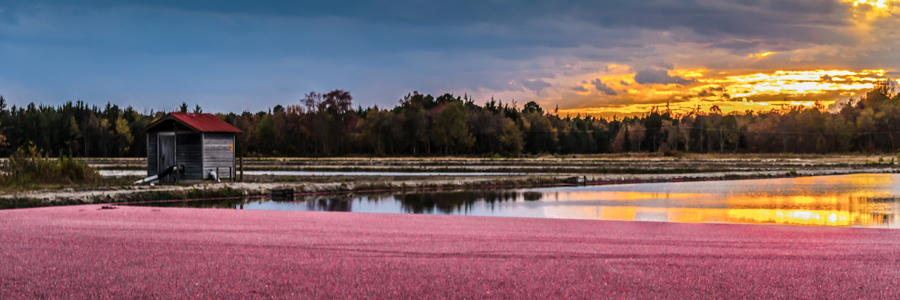
Photo courtesy: Whitesbog Village
A Visitor’s Guide to Historic Whitesbog Village, NJ
Pine-scented breezes, mirror-still bogs, and a quiet village where science changed breakfast forever. That is historic Whitesbog.
- Historic Whitesbog Village in Brendan T. Byrne State Forest is the birthplace of the cultivated highbush blueberry and a preserved cranberry-farming village.
- Admission to the grounds is free, and the site is open dawn to dusk year-round, although most buildings open only for tours or special events.
- The best first visit combines the village core, the 3.5-mile driving loop, and a walk on the Old Bog Trail.
- Seasonal events, including the late-June Blueberry Festival and cranberry harvest hikes, bring the most activity and interpretive value.
If you want a peaceful walk, hands-on history, or a family day outdoors, Whitesbog Village New Jersey delivers.
Why visit Historic Whitesbog Village, NJ: history and highlights
Whitesbog Village New Jersey is a place where a farm became a scientific workshop. This is where Elizabeth Coleman White partnered with Dr. Frederick Coville to tame wild berries and grow the modern blueberry. The village feels frozen in time, yet full of life.
Trails loop past sandy lanes, bogs, and historic buildings with weathered wood and stories to match.
The setting is part of the draw. Whitesbog sits within the Pinelands, a rare habitat that supports birds, carnivorous plants, and clear lakes.
It is easy to reach, but feels remote. You can spend a half day walking the village core, then continue with a driving loop around the bogs.
Keep your camera ready, the light on the water can be beautiful.
History buffs will enjoy the restored structures, from the schoolhouse to the packing house. Nature lovers will appreciate the wildlife and seasonal blooms. Families can pick up a map, wander the lanes, then stop at the General Store for local treats.
For a preview of site highlights, browse the official site of the Whitesbog Preservation Trust for current programs and tours.
A quick history of Whitesbog and the birth of the blueberry
Whitesbog began in the 1800s as a cranberry farm led by Joseph J. White. In the early 1900s, Elizabeth Coleman White recruited local growers and worked with USDA botanist Dr. Frederick Coville to identify and breed the best wild plants.
In 1916, they launched the first cultivated highbush blueberry, a breakthrough that shaped farms across the country. Today, historic Whitesbog is listed on the National and State Registers of Historic Places and sits within Brendan T. Byrne State Forest.
Must-see spots in the village
Keep an eye out for 25 historic buildings and landmarks. Favorites include:
- The Whitesbog General Store, worker cottages with front porches.
- The schoolhouse, the packing house, reservoirs
- The cranberry bogs that glow in late afternoon light.
- Suningive, Elizabeth White’s 1923 house, where garden paths hint at her horticultural work. .
Best times to go for events and scenery
The grounds are open year-round, dawn to dusk. Traditionally, the Blueberry Festival lands in late June for tastings, music, and kid-friendly activities. Aim for mornings or late afternoons for softer light and fewer crowds.
Plan your visit: directions, hours, fees, and accessibility
Whitesbog is simple to visit on your own. You can walk the village, try a driving loop, and stop in the General Store when open. With flat, sandy roads and clear signs, first-time visitors find it easy to navigate.
Start at the village core, then branch out to the surrounding cranberry bogs and reservoirs. The setting is peaceful, so plan time to slow down. You will get more from the visit if you pair history stops with time on the trails. Carry the basics.
Bring water, sunscreen, and bug spray in warm months. Respect open water and soft edges near the bogs. Stay on marked roads and trails, and watch for service vehicles.
Getting there and parking
Use this address for navigation: 799 Lakehurst Road, Browns Mills, NJ. GPS coordinates: 39.9597, -74.5097. Whitesbog is inside Brendan T. Byrne State Forest and is reached by paved roads. Once you arrive, follow on-site signs for village parking. Visitor maps are posted in the village core, and a simple brochure is often available near the General Store or kiosks.
Hours, admission, and building access
Admission to the grounds is free. The village is open dawn to dusk, year-round. Most buildings open only for scheduled tours or special events. For the latest tour times and event days, check the calendar or call (609) 893-4646. The General Store and museum spaces may have limited hours.
Accessibility and visitor tips
Terrain around the village is generally flat, with many firm, wheelchair-friendly paths. Some sandy stretches can be soft after rain. Wear sturdy walking shoes, carry water, and use sun protection and bug spray in warm weather. Stay on marked routes, keep a safe distance from open water, and practice Leave No Trace. Pets should be leashed. Carry out all trash so the Pinelands habitat stays healthy.
Things to do at Whitesbog: trails, tours, and photo-worthy stops
You can see a lot in a half day without rushing. Start with the village core, then branch out to the bogs. Add a trail walk and a general store stop, and you have a simple, satisfying plan. The New Jersey State Parks page for Whitesbog lists seasonal programs if you want to time your visit.
- Self-guided tours: Pick up a free map in the village core.
- Scenic driving: Circle the bogs, watch reflections, and scan for herons.
- Trail time: Walk the Old Bog Trail and listen for tree frogs.
- Shop local: Support preservation with a purchase at the General Store.
- Events: Plan for festivals, hikes, night tours, and family programs.
Take a self-guided walking or driving tour
The classic choice is a 3.5-mile driving loop around the bogs. It is an easy circuit with wide views, photo stops, and plenty of pull-offs. Grab a free map or booklet at the village kiosks or General Store when open. Pair the loop with a short walk through the village core to see worker cottages, the schoolhouse, and the packing house up close. Give yourself time to pause, read interpretive signs, and take a few photos.
Hike the Old Bog Trail and watch for wildlife
The Old Bog Trail winds past cranberry bogs, lakes, and pine barrens habitat. Expect quiet water views and sandy paths lined with pitch pine and scrub oak. Watch for herons, warblers, dragonflies, and seasonal blooms. Bring water, wear closed-toe shoes, and stay on the trail to protect fragile plants and bog edges.
Shop local and support preservation at the General Store
The Whitesbog General Store is typically open Saturdays, 10 am to 2 pm, with jams, honey, teas, and handmade goods. Purchases support the Whitesbog Preservation Trust and ongoing restoration across the site.
Seasonal events: Blueberry Festival, Cranberry Harvest Hikes, and more
- The Blueberry Festival celebrates Whitesbog’s sweet claim to fame with live music, tastings, and farm fun, in late June.
- The Cranberry Harvest Hikes where you will learn about New Jersey Cranberry farming,both historic and current!
- Other programs can include nature hikes, haunted tours, teas, barn dinners, tastings, and school visits.
Review current listings on the Whitesbog Preservation Trust before you travel.
Frequently Asked Questions
About Historic Whitesbog Village in NJ
What is Whitesbog Village known for?
Whitesbog Village is known as the birthplace of the cultivated highbush blueberry. It also has a long cranberry-farming history, and the site includes historic buildings, bogs, and trails.
Is there an admission fee to visit Whitesbog Village?
Admission to the grounds is free. The village is open dawn to dusk year-round, but most buildings only open during scheduled tours or special events.
What are the hours at Whitesbog Village?
The grounds are open dawn to dusk throughout the year. Building access is more limited, so visitors should check the current tour or event schedule before they go.
How much time should I plan for a visit?
A half day is enough for the village core, the driving loop, and one trail walk. If you want to time your visit around a festival or guided tour, plan more time.
What are the best things to do at Whitesbog Village?
Start with the village core, then add the 3.5-mile driving loop and the Old Bog Trail. The General Store and seasonal events are also worth building into your visit.

Recent Articles


-
Best New Jersey Restaurants Open for Thanksgiving & Christmas: 2026
Oct 20, 26 04:39 PM
 Find the best New Jersey restaurants open for Thanksgiving and Christmas, 2026, with dining options to help you plan a festive holiday meal.
 -
A Culinary Journey Through New Jersey's Best Farm-to-Table Restaurants
Oct 19, 26 05:14 PM
 Explore New Jersey's best farm-to-table restaurants, where local ingredients shape each meal. Find fresh dining ideas for your next Garden State outing.
 -
Guide to New Jersey Weekend Events | October 23, 24, 25, 2026
Oct 19, 26 08:19 AM
Discover the best NJ events this weekend (October 23, 24, 25, 2026) Featuring Outdoor Festivals, Food and Drink Events, and Family Friendly events