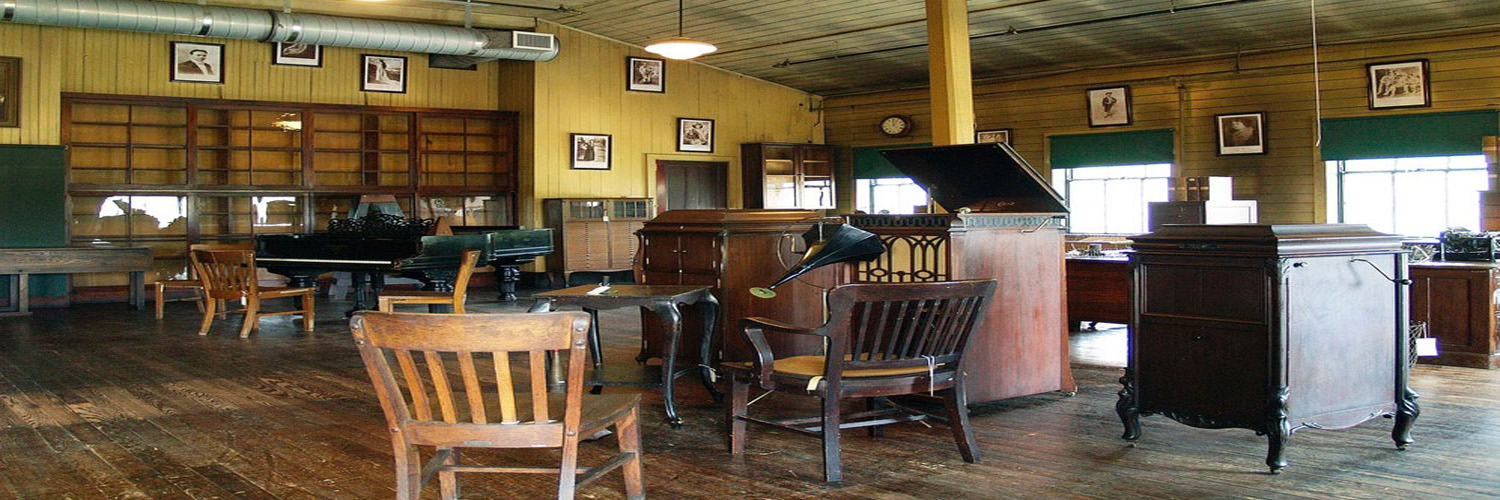
photo (music room) courtesy: National Park Service
Explore the Treasures of Thomas Edison National Historical Park: A Visitor’s Guide
Curious how a lightbulb idea turns into something real you can hold? At Thomas Edison National Historical Park, you step inside the places where that happened.
- Thomas Edison National Historical Park in West Orange, New Jersey has two main areas, the Laboratory Complex and Glenmont, Edison's family home.
- The best starting point is the Laboratory Complex Visitor Center, where visitors check in, pay the entrance fee, and get the day's tour information.
Glenmont uses timed, limited-capacity ranger-led tours, so early arrival and advance planning matter, especially on weekends.
- Most visits take about 2 to 4 hours, depending on whether Glenmont tours are available and how much time you spend in the lab complex.
- The park is strongest for visitors who want original rooms, working artifacts, and a clear look at how Edison's teams turned ideas into prototypes.
This guide covers hours, tickets, what to see, and tour tips for a smooth visit.
Start Here: Hours, Tickets, and How to Visit Thomas Edison National Historical Park
Begin at the Laboratory Complex Visitor Center. Pay your entrance fee, get your map, and ask about Glenmont tour availability. This sets the pace for the rest of your day.
The Laboratory Complex typically operates Wednesday through Sunday, 9:00 AM to 5:00 PM. Glenmont tours usually run Friday through Sunday in the afternoon. Hours and tour offerings can change. Always confirm current details on the NPS site before you go: Plan Your Visit.
- Check in at the Visitor Center first. This is where you get your day started and learn the schedule.
- Ask about the day’s ranger talks and any temporary closures.
- If Glenmont tours are running, secure your timed entry as early as possible.
- Expect more availability on non-holiday weekdays..
Current hours, best time to go, and seasonal closures
- Current hours: Lab complex usually open Wednesday to Sunday, 9:00 AM to 5:00 PM. Glenmont tours generally run Friday to Sunday in the afternoon.
- Seasonal pattern: winter schedules can shift; parts of the site may close for preservation. Check dates before you visit.
- Best times: arrive at opening to claim tour spots and enjoy lighter crowds.
- Time to plan: 2 to 4 hours covers the lab and Glenmont at a relaxed pace.
Admission, passes, and booking tours for the lab and Glenmont
- Pay the entrance fee at the Laboratory Complex Visitor Center. Staff will advise on Glenmont timing and availability.
- Glenmont uses timed, limited-capacity tours. Reserve in advance when possible
- Group and school tours can be requested online. Many school programs run midweek in the school season, often on Wednesdays and Thursdays.
- Prices may change.
Getting there and parking in West Orange, NJ
- Location: West Orange, New Jersey, with easy access from I-280 and nearby local roads.
- Parking: a lot sits across from the Laboratory Complex. Weekends can fill up, so come early.
- Navigation tip: set your GPS to the Laboratory Complex first. Glenmont entry is via scheduled tours from the lab, not by direct drive-up.
Accessibility, strollers, and visitor services
- Some historic buildings have limited access due to age and layout. Ask rangers for the best accessible routes.
- The park offers accessibility guidance and a Picture Guide that helps children and visitors with special needs.
- Restrooms, water fountains, and seating can be found near the Visitor Center and key buildings. Pick up a map at check-in.
- Wear comfortable shoes. You will walk, stand, and climb short flights of stairs.
What to See in the Edison Laboratory Complex: Can’t-Miss Rooms and Stories
This is where you feel the pace of invention. Edison's team moved from idea to experiment to prototype in the same set of buildings.
Look for worn workbenches, labeled drawers, and shelves filled with raw materials. The rooms tell the story of trial and error, with wins and dead ends side by side.
Move slowly and scan the details. The displays are dense, and the labels pack in helpful context. If you catch a ranger talk, pause and listen. It will connect objects to people and stories. .
Main Lab Building and Machine Shop: where ideas became real
Rows of benches show where teams tested parts, tweaked mechanisms, and logged results. The shelves hold glassware, wire spools, metal fittings, and materials from past projects. It looks busy, even when it is quiet.
Edison ran many projects at once. Teams shared tools and moved across rooms to speed progress. The machine shop is a highlight. You will see lathes and mills that turned sketches into working prototypes.
Tip: find the machine shop early if you love seeing how things get made.
Chemistry Lab and Storage Rooms: batteries, films, and bold experiments
The chemistry lab shows bottles, burners, and benches arranged for quick testing. Staff studied filaments, storage batteries, and coatings here. Motion picture work relied on chemical processes too, from film stock to processing.
Safety was not like today. Ventilation and protective gear were limited. This context helps you see the risks the team took to push projects forward.
Sound and Film: phonographs, early movies, and ranger talks
See early phonographs that changed how people heard music at home. Labels and demos explain recorded sound in clear steps. Exhibits on motion pictures chart the path from experiments to commercial films.
The original Black Maria film studio stood in West Orange, but it is not on site today. The story is told through artifacts, models, and visuals in the exhibits. Check the day’s schedule for ranger-led talks or audio experiences that bring the equipment to life.
Photo spots and kid-friendly stops inside the lab
Good photo spots include the main lab floor, the machine shop entrance, and the corridor lines with parts cabinets.
Kids often like the big tools, the phonograph area, and any hands-on stations that may be available. Try prompts like, “What job would you want here?” or “Which tool looks the most helpful?” Take short breaks near seating areas to keep energy up.
Tour Glenmont, Edison’s Home: What to Expect and How to Book
Glenmont gives you the personal side of the story. Once you have your timed tour, you will follow a ranger into a home that looks paused in time. The tour size is small, and the rooms feel intimate, so you can notice original details without rushing.
Check NPS for current operations and availability, since Glenmont schedules can change by season. You can also watch for updates on the park’s official page and public posts at Thomas Edison NHP on Facebook.
Inside the Glenmont Mansion: rooms, stories, and original decor
The main hall, library, and parlor show elegant design with everyday touches. You will hear about Thomas and Mina Edison, their children, and guests who visited. The furnishings are original, which makes the house feel lived-in, not staged.
Look for personal items like books, photos, and desk tools. The tour connects home life to lab work, since ideas often carried over the short distance between the two.
Grounds, gardens, and the greenhouse
Leave a few minutes to stroll the grounds if the weather is clear. The greenhouse reflects a love for plants and time outdoors. Seasons shape the experience, from spring blooms to colorful fall views.
Tip: plan extra time for the property, especially if you enjoy photography or quiet walks.
How timed entry works and what to know before your tour
Glenmont tours use timed, ranger-led entry. Arrive early at the lab Visitor Center for check-in and instructions on when to meet your group. Tours often sell out on weekends.
Bring only small bags inside. Large items may need to stay in your car or a designated area. Photography is usually limited to non-flash and for personal use. Ask a ranger if you are unsure.
Etiquette and preservation tips for a smooth visit
- Stay on marked paths and do not touch artifacts.
- No food or drink inside historic interiors.
- Keep voices low to protect the calm setting.
- Be kind to floors and stairs, use handrails carefully and follow ranger instructions.
Frequently Asked Questions
About Thomas Edison National Historical ParkWhat is included at Thomas Edison National Historical Park?
The park includes the Laboratory Complex and Glenmont, the Edison family home. Visitors can see historic rooms, original equipment, and exhibits tied to Edison's work in sound, film, chemistry, and invention.
How long should I plan for a visit?
Plan on 2 to 4 hours for a relaxed visit. That gives you time for the lab complex, a Glenmont tour if one is available, and a little extra time for ranger talks or the grounds.
Do I need a reservation for Glenmont?
Glenmont uses timed, limited-capacity ranger-led tours, so it helps to plan ahead. The article recommends checking in at the Laboratory Complex Visitor Center first, then asking about that day's Glenmont availability.
What are the best times to visit?
Arriving at opening is the easiest way to get tour spots and avoid the busiest crowds. Non-holiday weekdays usually give you more flexibility, while weekends can fill up faster.
Is the park accessible?
Some historic buildings have limited access because of age and layout. The park offers accessibility guidance and a Picture Guide for children and visitors with special needs, so it is smart to ask rangers about the best route before you tour.
<
Recent Articles


-
Guide to the Best New Jersey Spooktacular Halloween Events: 2026
Sep 19, 26 01:25 PM
 Find the best 2026 New Jersey Halloween events and haunted houses, with dates, locations, and scary attractions for every kind of Halloween fan.
 -
Discover New Jersey's Vibrant October 2026 Festivals And Events
Sep 19, 26 12:51 PM
 Explore New Jersey's October 2026 festivals and events, with family fun, parades, food tours, and outdoor picks.
 -
Discover New Jersey's Vibrant September 2026 Festivals And Events
Sep 19, 26 11:18 AM
Explore New Jersey's September 2026 festivals and events, with family fun, concerts, food tours, and outdoor picks.