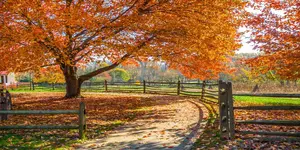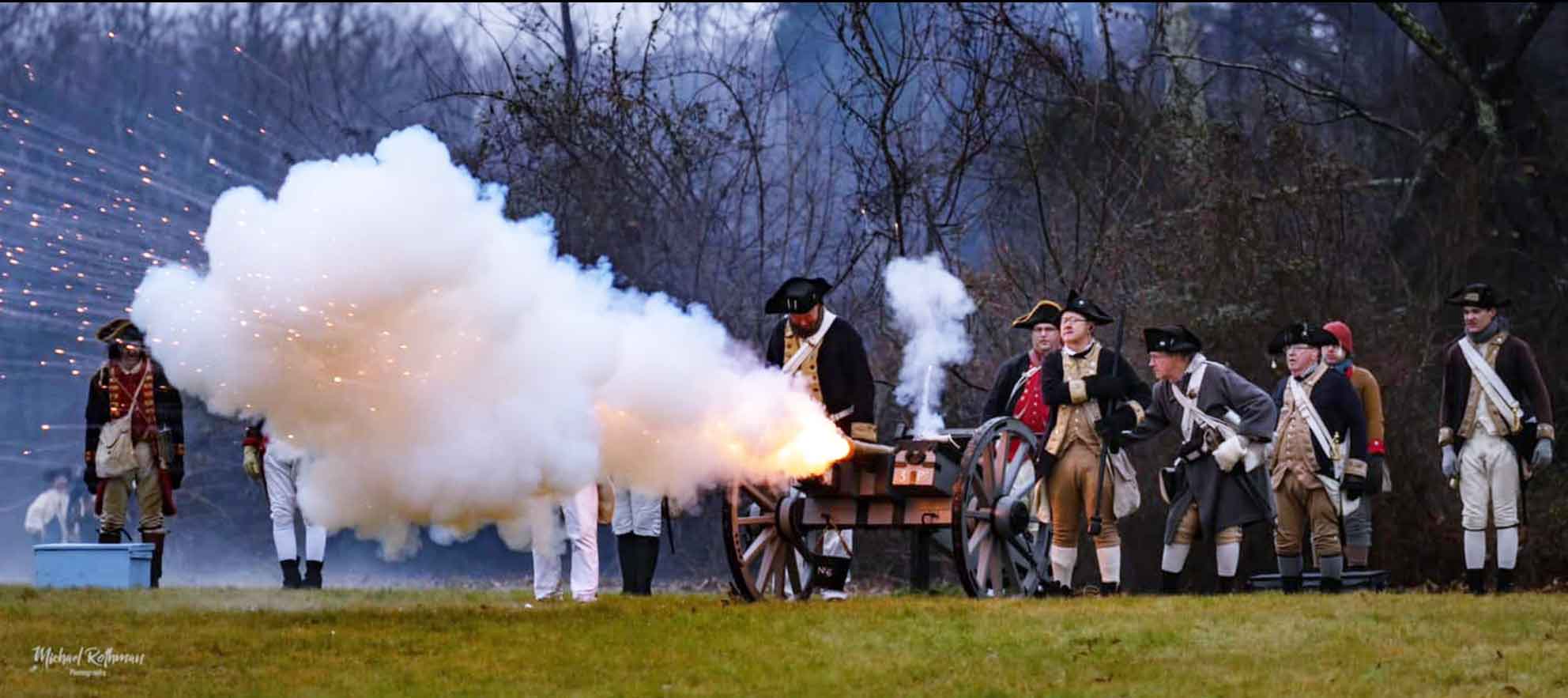
photo courtesy: Princeton Battlefield Society
Visitor’s Guide to Princeton Battlefield State Park (Historic Site)
Looking for a day trip with meaning and room to breathe?
- Princeton Battlefield State Park is historically significant because it is the site of the January 3, 1777 Battle of Princeton, a key American victory in the Revolutionary War.
- The battle is part of the Ten Crucial Days campaign, and George Washington's forces defeated British troops there.
- Visitors can still see important markers today, including the Clarke House Museum, battlefield monuments, memorial graves, and trails to Institute Woods.
- The park is free to enter, open daily from sunrise to sunset, and works well as a two-hour stop or a half-day visit.
- The quiet fields of Princeton Battlefield hold one of the most important moments of the American Revolution.
This guide makes it simple to plan a visit to Princeton Battlefield State Park, from hours and fees to top sights and quick itineraries.
Plan Your Visit to Princeton Battlefield State Park
Hours, Fees, and Best Times to Go
- Grounds are open daily, sunrise to sunset. There is no entrance fee.
- Clarke House Museum hours: Wednesday to Saturday, 10 a.m. to Noon and 1 to 4 p.m.; Sunday, 1 to 4 p.m. Call 609-921-0074 to confirm tours and any closures.
- Best seasons: spring and fall, thanks to mild weather and foliage.
- Weekdays are quieter. Early morning or late afternoon has softer light for photos.
For the latest official info, including seasonal updates, see the Princeton Battlefield Society's plan your visit page.
How to Get There and Parking
- Address: 500 Mercer Road, Princeton, NJ 08540.
- From I-295: take Exit 68A for Princeton Pike North, go about 3.8 miles, then turn toward Clarke House Road to reach the park area.
- From Route 206 south: turn right on Stockton Street, left on Library Place, right on Mercer Street, then left into the battlefield.
- Parking: free on-site parking near the Clarke House area.
- For the swinging bridge in Institute Woods, use GPS. Trails are well used, but a map helps.
Accessibility, Pets, and Park Rules
- Much of the battlefield is flat and generally accessible. Call ahead for specific needs at Clarke House and for program access.
- Leashed dogs are welcome on trails.
- Drones are typically not allowed to protect visitors and wildlife.
- Stay on marked paths and respect memorials and graves.
What to Pack and Wear
- Wear comfortable walking shoes and bring water.
- Sun protection is wise year-round. In cooler months, add a light jacket.
- In winter, cross-country skiing is possible when conditions allow.
Quick Facts
| Topic | Info |
|---|---|
| Hours | Grounds, sunrise to sunset; Clarke House |
| Fees | Free park entry; select programs may have a fee |
| Address | 500 Mercer Road, Princeton, NJ 08540 |
| Contact | 609-921-0074, PrincetonBattlefield@dep.nj.gov |
| Best Times | Spring and fall; early or late in the day for photos |
Top Things to See at the Princeton Battlefield
Clarke House Museum: Revolutionary War Stories
Built in 1772, Clarke House stood during the fighting and today offers exhibits and period rooms. Step inside during open hours for a short, focused visit.
Tip: ask staff about George Washington's movements across the field and how wounded soldiers received care nearby.
Battlefield Monuments: Colonnade and Soldier Graves
The Ionic Colonnade stands as a striking landmark on the edge of the field. Nearby, a small grave site honors fallen soldiers, including 21 British and 15 American burials.
This is a place for quiet reflection. Photo tip: soft light in early morning or late afternoon brings out texture and shadow without glare.
Mercer Oak and General Hugh Mercer
The original Mercer Oak, a lasting symbol of the battle, is gone, but a descendant now grows in its place. General Hugh Mercer, a respected officer, was mortally wounded in the Princeton NJ battle. His stand and sacrifice became part of the park's enduring story, a reminder of how close-run the fighting was here.
Institute Woods and the Swinging Bridge
From the battlefield, easy, mostly flat trails reach Institute Woods. The route offers bird-watching and shady paths under tall trees. The swinging bridge is a favorite photo stop.
Make the Most of Your Trip: History, Itineraries, and Nearby Sites
The Princeton NJ Battle in Brief
On January 3, 1777, George Washington won a key victory at Princeton during the Ten Crucial Days. Continental forces, including artillery led by Alexander Hamilton, struck British troops near the town. General Hugh Mercer was gravely wounded in the action.
The success boosted morale and reshaped the winter campaign.
Easy Itineraries: 2 Hours or Half Day
- 2 hours: walk the main battlefield loop, visit the Colonnade and graves, then step into Clarke House if it is open. Keep a steady pace and save time for the interpretive signs.
- Half day: add the Institute Woods walk and the swinging bridge, then return for exhibits and more photos. Families with young kids can break the walk into two short loops with a snack break near the parking area.
Nearby Revolutionary War Sites and Princeton Highlights
- For history buffs: Washington Crossing Historic Park, the Old Barracks Museum in Trenton, and the Trenton Battle Monument connect the Ten Crucial Days story.
- For local culture: Morven Museum & Garden offers a historic home and rotating exhibits, and the Princeton University campus is a short drive for architecture and public art.
- For food and shopping: Downtown Princeton has cafes, ice cream, and bookstores for an easy lunch or coffee stop between sites.
Frequently Asked Questions
About Princeton Battlefield State ParkWhy is Princeton Battlefield State Park historically significant?
It is the site of the Battle of Princeton on January 3, 1777. That victory helped raise Continental morale during the Revolutionary War and is part of the Ten Crucial Days campaign.
What can you see at Princeton Battlefield State Park today?
Visitors can walk the battlefield, visit the Clarke House Museum when it's open, and see monuments, memorial graves, and the Ionic Colonnade. Trails also connect to Institute Woods and the swinging bridge.
How long do you need for a visit?
A basic visit takes about two hours. A half day gives you time to add Clarke House, Institute Woods, interpretive signs, and slower photo stops.
Is there an entrance fee?
The grounds are free to enter. Some programs may have a fee, so it's smart to check the official visitor page before you go.

Explore NJ’s Top 10 Weird Attractions for Kids—Whimsy Awaits!
Recent Articles


-
Guide to New Jersey Fall Activities and Festivals: 2026
Sep 15, 26 05:35 PM
 Plan your 2026 autumn with this guide to New Jersey fall activities and festivals, including seasonal events, local fun, and family-friendly ideas.
 -
Guide to 2026 New Jersey Cultural Festivals and Events
Sep 15, 26 01:28 PM
 Discover the 2026 New Jersey cultural festivals and events, from food and music to art and heritage celebrations, all across the Garden State
 -
Discover New Jersey Top Italian Festivals For The Year 2026
Sep 14, 26 05:29 PM
 Explore the top Italian festivals in NJ for 2026. Enjoy delicious food, live music, and family fun at New Jersey’s favorite cultural events this season.