The Best Coached Kids Tennis Camps in New Jersey (2026 Guide)
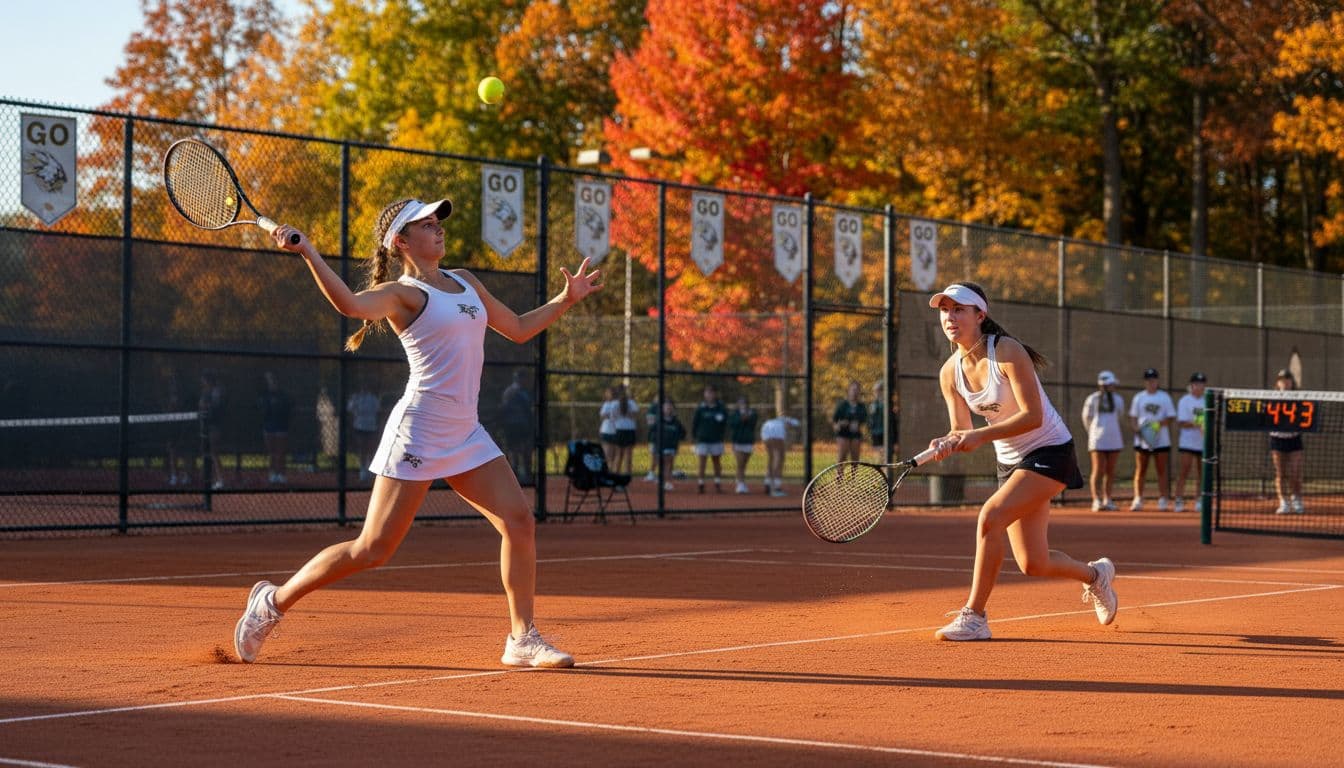
A great week of tennis camp can feel like a mini growth spurt. One Monday your kid is poking the ball over the net, by Friday they’re rallying, calling the score, and asking to play again on Saturday.
Parents looking at New Jersey kids tennis camps usually want the same things: real progress in tennis skills, safe supervision, and a tennis summer camp day that’s fun without turning into chaos. The best coached camps, including standout junior tennis camps, tend to share a few traits: qualified staff who can teach (not just hit), smart groupings by level, lots of hitting time (not long lines), and clear communication so you know what’s happening each day.
This guide breaks down what “great coaching” looks like in plain English, then highlights standout options across North, Central, and South Jersey. Some programs post summer details early, others release schedules later, so it’s smart to narrow your list and check availability as soon as dates go live.
What “great coaching” looks like at New Jersey kids tennis camps
If you only do one thing before registering, do this: read the camp page like a coach would, not like a brochure. You’re looking for proof that the program has a plan, not just courts and a logo.
Here’s a practical mini checklist you can use on any camp website or during a quick call:
- How are kids grouped? Ask if they separate by level (and sometimes age), and whether they re-group midweek if a child is in the wrong spot.
- How much time is active hitting? A good camp can describe the day in blocks: warm-up, technical instruction, live-ball tennis drills, point play, match play.
- What does “match play” mean? It should include scoring, serving under pressure, and learning patterns with tactical knowledge, not only “games” at the end.
- How do coaches give feedback? Look for coaching that’s specific (grip, spacing, recovery steps) for skill development, not just “good job!”
- How do they handle weather and heat? New Jersey summers can swing from steamy to stormy fast; a real plan matters.
Coach quality, safety, and ratios that help kids actually improve
Coaching quality isn’t only about a resume. A former college player can still be a weak teacher if they can’t explain, demonstrate, and correct. What you want is teaching experience, a clear chain of supervision, and a camp culture where kids feel safe asking questions.
On the safety side, look for signs of modern youth-sports policies: background checks, staff training, and clear rules for supervision and drop-off. Some programs reference SafeSport-style standards, even if they don’t use that exact name. If the camp is vague, ask.
A low camper to coach ratio is one of the biggest predictors of progress, especially for beginners learning tennis fundamentals. Tennis is a timing sport. One small fix can change everything, but only if a coach has time to notice it.
Parent-friendly questions that usually get you the truth fast:
- Who runs the program day-to-day, and are they on court?
- Are groups split by level, and how do you place kids on day one?
- What’s the plan for extreme heat, lightning, or a full rain day?
- If my child is struggling, how will you adjust the group or goals?
How the best camps group players and structure the day
The strongest camps treat day one like an evaluation, not a free-for-all. Coaches watch how kids rally, serve, and move, then place them on courts that match their current skills. That’s when confidence grows. A beginner who can’t keep a rally going shouldn’t spend the week chasing balls hit by a tournament kid.
A well-built day usually includes three layers:
- Technical work (strokes, footwork, serving, return basics)
- Live-ball drills (faster decision-making, reps that feel like points with tennis drills)
- Point play and match play (scoring, patterns, mental habits, sportsmanship and teamwork)
Half-day camps can be perfect for younger kids or first-timers. Full-day camps often add fitness and conditioning, strategy, and more match play, which is where older kids learn to problem-solve. If your child freezes up in matches, ask how much time they’ll spend playing points with coaching, not just “matches on Friday.” This daily tennis training routine builds real progress.
Best coached kids tennis camps in New Jersey, top picks for 2026
Before you lock in a week, confirm ages, times, and dates. As of February 2026, some programs have posted summer windows, others update later. Popular weeks fill early, especially once school calendars and family travel plans start to click into place.
Here’s a quick snapshot of the best junior tennis camps to help you shortlist these summer tennis programs.
| Camp | Area | Typical ages | Best for |
|---|---|---|---|
| Nike Tennis Camp at The Lawrenceville School | Central NJ (Lawrenceville) | Middle school to high school (check session) | Serious juniors who want structure and a big jump |
| New Jersey Tennis Camp (Mahwah, Ramapo College area) | North NJ (Mahwah) | 5 to 18 | Mixed levels, siblings, balanced intensity |
| Super Duper Tennis Mini Camps (Newport, Jersey City) | Hudson County | 4 to 10 | Young beginners, short sessions, first-camp vibe |
| CourtSense Tennis (Tenafly, Alpine) | North NJ | 8 to 18 | Performance-focused players who want tight coaching |
| Cherry Hill Health & Racquet Club Tennis Camps | South NJ (Cherry Hill) | 5 to 18 | Flexible weekly options and repeatable progress |
Nike Tennis Camp at The Lawrenceville School (Lawrenceville): best for serious juniors who want a big jump
This is a long-established program with a reputation for high reps and structured days. The camp runs at The Lawrenceville School in Central Jersey, a convenient draw for families coming from Mercer, Bucks, and parts of Monmouth. It offers both day and overnight tennis camp options.
What the day feels like: purposeful. Kids spend a lot of time on court with a mix of drilling and match play, plus coaching that pushes better habits under pressure. It’s a strong fit for motivated middle school and high school players who like being coached hard (in a positive way) and want to leave with clear takeaways.
The camp page is also transparent about its scale and format, and leadership from college coaches is a common draw for families comparing high-level options. Check the latest sessions and details on the Nike Tennis Camp at Lawrenceville School listing.
Who might prefer another option: very young beginners, or kids who fatigue fast in full day camp sessions.
New Jersey Tennis Camp (Mahwah): best for all skill levels, from first-time players to competitors
If you’re trying to find a camp that can handle a true spread of ability, this Mahwah area option is a practical pick. The coaching style tends to focus on confidence and fundamentals, without turning the whole week into an exhausting grind. That balance is gold for families who want real instruction and a kid who still wants to play tennis afterward.
What the day feels like: organized, upbeat, and level-based. Day-one evaluation and regrouping are key here. A beginner gets clear basics (grip, contact point, simple footwork), while an experienced player can work on consistency, patterns, and point construction to build essential tennis skills.
It’s also a nice fit for siblings, because a 7-year-old new player and a 14-year-old who competes can both have a good week without being forced into the same pace.
Since schedules can vary by summer, start with the current event listing for Mahwah tennis camp details on ActiveKids, then confirm the exact day format directly with the camp.
Super Duper Tennis Mini Camps (Jersey City, Newport area): best for young beginners who need fun, short sessions
For ages roughly 4 to 10, shorter “mini camp” blocks can be the difference between “I love tennis” and “I’m tired and want snacks.” Super Duper Tennis mini camps in the Jersey City, Newport area are a strong idea for city families who want a simple, local option and a playful teaching style. They provide convenient half day camp options.
What the day feels like: fast-moving and game-based, with lots of small wins. Expect hand-eye work, basic rally skills, simple movement patterns, and an introduction to serving that doesn’t overwhelm kids. The best coaches at this age keep instructions short, then get kids hitting again.
This is also a smart first camp for kids who are shy. When sessions are shorter, they don’t have to “last all day” to succeed.
One tip: if your child is older or already rallying, ask whether that week includes an advanced court or if you should pair mini camp with lessons or a more performance-style program nearby.
CourtSense Tennis (Tenafly/Bogata area): best for performance-focused players who want tight coaching
CourtSense is known for a performance feel and detailed feedback, including high-performance training. For kids who already rally and want to compete more confidently, the structure and coach attention can be a big plus. According to current program details, CourtSense summer sessions run from late June through late August 2026, and higher-performance tracks may require an evaluation.
What the day feels like: focused, with clear goals. Players get competitive drills, tactical work, and plenty of match play. This is where kids learn the in-between skills that decide points, like recovering after a wide ball, choosing a higher target when tight, or building a point instead of going for a highlight shot.
Another differentiator is coach-to-player ratio in advanced groups, which can translate into faster corrections and fewer bad habits repeated for a full week.
To confirm session dates and the right level, start with CourtSense summer camp information, then ask how they group by ability and how much match play is coached (not just supervised).
Cherry Hill Health & Racquet Club Tennis Camps (Cherry Hill): best for South Jersey families who want flexible weekly options
For South Jersey families, convenience and consistency matter. Cherry Hill Health and Racquet Club’s junior tennis camp model is built around repeatable weekly camp sessions and flexible sign-ups, which is ideal for working parents or kids who want multiple weeks in competitive junior tennis.
What the day feels like: steady and routine in the best way. Players get frequent reps, and that repetition is often what beginners and intermediates need most. It’s also easier to build habits when the schedule is predictable week to week.
Cherry Hill’s posted 2026 structure runs 11 weeks from June 16 to August 29, with options to register by day or by week. That flexibility is a major plus if your family has vacations, other camps, or sports tournaments. You can check the latest details on the Cherry Hill junior tennis summer camp page.
Best for: ages about 5 to 18, especially kids who improve with repetition and families who want simple scheduling.
How to choose the right camp for your young athlete, age, level, and your family’s schedule
Picking the right tennis summer camp among New Jersey kids tennis camps gets easier when you stop searching for “the best” in the abstract and start matching a camp to your kid’s current stage (beginner, intermediate, or advanced).
If your child is a true beginner, the win is simple: learn to rally a few balls, serve with a real motion, and understand scoring without stress. For an intermediate player, the win is consistency and decision-making. For a tournament kid, the win is patterns, mental habits, and match toughness.
A quick way to narrow it down is to choose two camps: one “ideal” option and one “easy logistics” option. Then call both and ask the same five questions from the coaching checklist above. The stronger program will sound clearer, faster, and more specific.
Match the camp to your kid’s personality, not just their level
A camp can be “high quality” and still be wrong for your kid.
Shy kids often do better in smaller groups where coaches learn names quickly and give gentle prompts. Competitive kids usually enjoy ladders, point play, and match reps where they can measure progress using USTA and UTR ratings. Younger kids need more breaks and more games, not longer lectures.
Signs you’ve found a good fit:
- Your kid can describe a tennis drill they did and what it helped.
- Coaches give one clear correction at a time.
- The daily plan is consistent, not random.
- Kids look busy, not standing in lines.
If you’re deciding between a performance-focused camp and a lighter camp, think of it like shoes. A performance-focused camp with match situations can help you run faster, but only if it doesn’t hurt. For performance-minded kids, private instruction can be a great supplement.
Logistics that matter to parents: location, rain plans, and what to pack
New Jersey traffic can turn a “close camp” into a daily headache. Before you register, map the drive to the athletic facility at the real drop-off time. A half-day camp that ends at noon can collide with lunch traffic and work calls, so confirm pick-up windows.
Weather planning is just as important. Ask if they have indoor tennis courts, a covered option for outdoor tennis courts, or a clear policy for lightning and heavy rain. Also ask what happens if a full day gets canceled: make-up day, credit, or nothing.
Packing should be simple, but a few items prevent bad days:
- Water bottle (and a backup), plus electrolytes for hot weeks
- Sunscreen, hat, and a small towel
- Snack that won’t melt
- Extra overgrip and a second shirt for full-day programs
- Labels on everything, especially tennis racquet and equipment, and sweatshirts
If your child has asthma or heat sensitivity, ask about shade breaks and how they handle high-heat afternoons.
Conclusion
The best coached New Jersey kids tennis camps combine skilled instructors, smart grouping by level, and a fun environment that keeps kids coming back. When those pieces line up, a week of camp can build more tennis skills than months of casual play.
Pick two or three options from North, Central, and South Jersey that provide daily tennis training, then call and use the same checklist questions. The right camp will answer clearly and welcome the questions. Once you find that fit, register early, because the best weeks don’t stay open for long.
Your next step is simple: choose from junior tennis camps that match your child’s age and goals, then choose the location that makes your week run smoothly.


Recent Articles


-
Guide to New Jersey Fall Activities and Festivals: 2026
Sep 15, 26 05:35 PM
 Plan your 2026 autumn with this guide to New Jersey fall activities and festivals, including seasonal events, local fun, and family-friendly ideas.
 -
Guide to 2026 New Jersey Cultural Festivals and Events
Sep 15, 26 01:28 PM
 Discover the 2026 New Jersey cultural festivals and events, from food and music to art and heritage celebrations, all across the Garden State
 -
Discover New Jersey Top Italian Festivals For The Year 2026
Sep 14, 26 05:29 PM
 Explore the top Italian festivals in NJ for 2026. Enjoy delicious food, live music, and family fun at New Jersey’s favorite cultural events this season.