The Best Coached Kids Baketball Camps in New Jersey (2026 Guide)
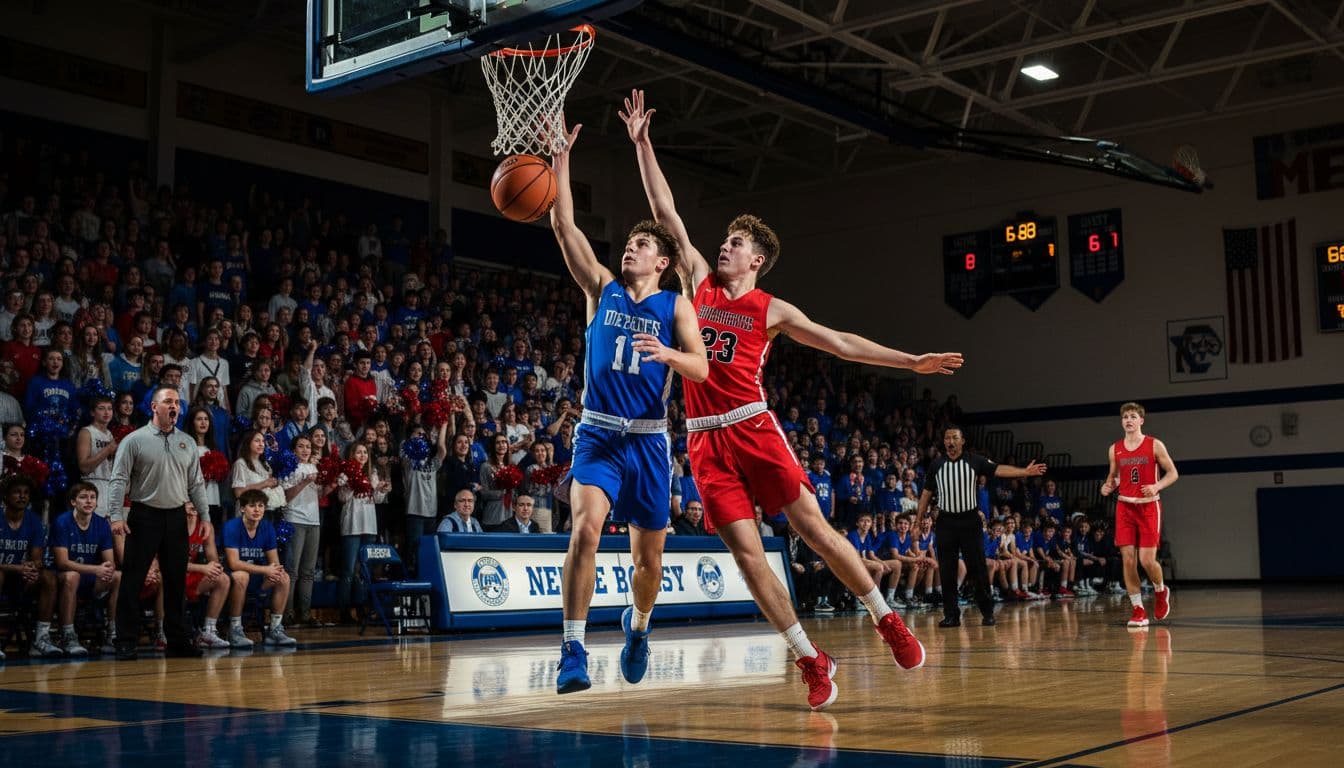
A great summer basketball camp can do more than keep your young athlete busy for a week. The right camp can tighten a shooting form, build real ball-handling control, and help a kid feel comfortable in game situations.
This 2026 guide to youth basketball focuses on the best coached kids basketball camps in New Jersey, meaning camps where teaching is the main event. Think qualified staff, clear instruction, lots of reps, smart groupings, positive discipline, and communication that helps parents know what’s going on.
One note before you register: camp details and locations can change year to year. Always confirm dates, times, ages, and the exact site on each camp’s official website before paying.
What “best coached” looks like at a kids basketball camp
The best coaching for skill development doesn’t always look like the loudest gym. It looks like a plan. Kids rotate through skill stations focused on basketball fundamentals, get quick corrections, and repeat the same movement until it sticks. You’ll also see coaches who can teach a beginner without rushing them, then challenge a stronger player without turning the session into a tryout.
At well-run NJ basketball camps, boys and girls are separated by age and skill, not just grade levels. That matters because a confident 9-year-old who plays travel ball needs a different pace than a first-time 9-year-old who’s still learning pivots and spacing.
Game play is important too, but it should match the group. If the only “instruction” is hours of 5v5 scrimmage, most kids won’t improve much. The best coached camps use short games to teach basketball IQ and decision-making, then go right back to targeted reps.
Here’s a quick, practical checklist you can use when comparing camps:
- Clear daily structure: Stations, themed skill blocks, and planned competition periods.
- Individual feedback: Professional coaching staff correct footwork, hand placement, and timing during individual skill work, not just effort.
- Smart grouping: Kids are placed where they can succeed and still be pushed.
- Positive discipline: Coaches set rules, keep it safe, and correct behavior without embarrassment.
- Parent communication: You can find schedules, policies, and contact info easily.
Coaching quality checklist for parents (simple things to look for)
Before you pay, try to picture what your kid’s day will look like, minute by minute. The best coached camps can explain their day in plain language, not vague promises.
Look for staff with real coaching experience, a lead director who’s present in the gym, and assistants who actively teach (not just rebound). Pay attention to how basketball drills are taught. A strong camp demonstrates the skill, names 1 to 2 coaching points, then gives quick corrections as kids repeat it.
Mistakes are part of learning. The coaching you want sounds like: “Plant your inside foot first,” or “Elbow under the ball.” Not: “You’ve got to want it more.”
Questions parents can ask that usually get you a clear answer:
- Who leads each session, and are they on the floor or in the office?
- What’s the coach-to-camper ratio during stations?
- What’s a typical day schedule, and how much is skills vs games?
- How do you handle true beginners who feel behind?
- How are groups formed, and can they be adjusted mid-week?
Match the camp to your kids's, age, confidence, and goals
Choosing “the best” camp isn’t about picking the fanciest logo. It’s about fit. A fundamentals-focused day camp is often the best choice for most elementary and middle school kids, even if they already play in a town league.
Elite camps can be great for older players, but only if your kid wants the faster pace and tougher feedback. Otherwise, it can feel like drinking from a fire hose.
Also consider the camp style:
- All-around skills camps are best for most kids because they cover footwork, passing, defense, and shooting.
- Specialty camps (shooting, ball-handling) work well when a player has one clear goal and enough base skill to train it.
- Day vs overnight comes down to maturity and stamina. Overnight can build independence, but younger kids often learn more when they sleep at home.
For shy or first-time campers, look for camps that emphasize teaching and grouping, not “winner stays on” scrimmages all day. For multi-sport kids, a camp with strong fundamentals and shorter competitive blocks keeps it fun without burning them out.
The best coached kids basketball camps in New Jersey (2026 picks)
These picks lean toward camps that teach skills clearly, run an organized day, and keep kids engaged without turning the week into constant scrimmaging. Availability can change, so verify current sessions and locations on each camp’s website.
Princeton Sports Camps at Princeton University (boys)
If your kid is motivated by a college setting, Princeton’s boys basketball camp experience is hard to match. The campus environment alone can raise focus, kids walk into a real basketball facility and tend to take coaching more seriously.
Princeton’s boys camps include day development options for younger grades and development or elite options for older players, with sessions in June and July. The coaching style is structured and progression-based: fundamentals first (stance, footwork, ball control, shooting basics), then team concepts and decision-making for older groups.
Why it stands out is the organized training day. Campers typically rotate through stations, compete in controlled contests, and play games that reinforce what they practiced. It’s a strong fit for boys who want a fundamentals-first week in a motivating setting, plus development for middle school players and elite challenges for high school players who want a higher-level pace.
Excel Basketball NJ (New Providence area)
Excel has a reputation for being teaching-heavy, the kind of camp where kids don’t wonder what the drill is supposed to fix. Instruction tends to be direct and simple, then campers get lots of reps with quick corrections.
Families like Excel because it’s practical. Coaches spend time on shooting fundamentals, footwork, and ball handling, then connect those skills to small-sided games and scrimmages that fit the group. For younger kids, junior-focused sessions can help them learn basics without feeling overwhelmed.
Excel also offers skill-specific options (often shooting or ball-handling focused), which can be a smart add-on for older players who want targeted work instead of a general camp week. You can see current offerings on the official Excel Basketball NJ site.
Best for: kids building confidence and clean technique, and families who want a well-run local day camp with clear coaching.
Jr. 76ers Basketball Camps (multiple NJ locations)
Jr. 76ers camps have a big-program feel, but the strongest part for many families is the consistency. They use a repeatable curriculum, so drills and teaching points aren’t random from day to day.
Campers work on core skills like shooting, ball-handling, passing, defense, rebounding, and teamwork, usually in a mix of stations and structured games. There’s also a character and teamwork message built into the week, which can be helpful for kids who need reminders about effort, attitude, and being a good teammate.
Because NJ locations can vary by season, parents should check the official Jr. 76ers camp locations page for the closest New Jersey site and exact dates.
Best for: boys and girls who want a fun, organized camp week, and parents who want a recognizable program with a long track record.
A1 Basketball Summer Camp at Cherry Hill Health and Racquet Club (South Jersey)
For South Jersey families, A1’s camp at a health club setting can feel comfortable and straightforward. It’s a supportive environment where beginners aren’t treated like they’re slowing the group down.
A typical camp week includes skill work, competitive games, and game play, with coaching that aims to build both ability and confidence for youth athletes. It’s also a practical option if you’re planning summer week by week, since many club-based camps offer flexible scheduling across the season.
To confirm current sessions and registration details, start with the facility page for A1 Basketball Summer Camp.
Best for: beginners to intermediate players, younger campers, and South Jersey families who need flexible planning.
Peak Skills Basketball (West Berlin area)
Peak Skills Basketball is a strong option when your kid doesn’t need “a little of everything,” they need more reps in one or two areas. Many players benefit from targeted basketball training like shooting drills, finishing angles for scoring, or tighter ball-handling under pressure.
Instruction often focuses on skill breakdowns first, then competitive drills that force kids to use the move at game speed. This format can be especially helpful during school breaks or weekends when you want extra training without committing to a full overnight camp.
Peak Skills posts program updates on the Peak Skills Basketball website.
Best for: players who want extra work on specific skills, and families looking for clinics outside the traditional Monday to Friday camp week.
Cedarbrook Day Camp basketball program (near Princeton)
If your family wants basketball plus a full day of supervised summer fun, a day camp program with basketball built in can be the best match. Cedarbrook’s basketball offering is part of a larger day camp experience, which means your young athlete gets coached court time and also gets the classic camp day, friends, swimming, and variety in a full day program.
From a parent view, the biggest advantage is coverage. Instead of a half-day sports clinic and scrambling for the afternoon, you get a full-day setup with structured supervision.
Cedarbrook shares details about court time and facilities on its basketball summer camp information.
Best for: kids who love basketball but also want variety, and families who need an all-day camp schedule.
How to pick the right camp in New Jersey for your kid and your schedule
After you shortlist a couple of NJ basketball camps, choose based on three things: commute, coaching fit, and the level your child can handle for a full week. A long drive can turn a great day camp into a daily grind, especially for younger kids.
Budget matters too, but “value” usually comes down to teaching time. Two hours of well-coached stations can beat five hours of loose scrimmaging.
A few practical tips that make week one smoother:
Pack a labeled water bottle, a second shirt, and a small snack that won’t melt. If your kid is new to camp, talk through what to do if they feel lost, tired, or need a break. Most problems on day one aren’t skill problems, they’re comfort problems.
After the first day, ask two questions: What did you learn, and did a coach correct you by name? When kids can describe one new detail (even “step into my shot”), it’s usually a good sign.
Quick match guide: beginner, intermediate, or advanced
Not every kid needs the same kind of coaching. Use this as a simple way to match your child to the right camp style based on grade levels and skills.
| Player level | What they need most | Camp style that fits best |
|---|---|---|
| Beginner | Patience, basics, confidence, lots of guided reps | Fundamentals day camps, supportive club camps, full-day camps with variety |
| Intermediate | Better footwork, shooting consistency, decisions under light pressure | Teaching-heavy day camps with stations plus structured games |
| Advanced | Faster pace, tougher feedback, strong competition, role skills including point guard and speed and agility | Elite sessions, specialty shooting or ball-handling camps, high-intensity clinics |
In general, the Princeton-style college environment can be motivating for older, serious players. Excel-type instruction is great for building clean habits.
Jr. 76ers tends to work well for boys and girls who want a reliable mix of skill work and games in a summer basketball camp. Peak Skills is a solid “extra reps” option.
Cedarbrook is the play-and-learn choice when you want basketball and a full camp day.
Questions to ask before you register (so there are no surprises)
A camp can sound perfect until you find out the “elite” group is 40 kids on one court. Ask these questions up front and you’ll avoid most frustration:
- What is the coach-to-camper ratio during stations and during games?
- How do you group kids, and can groups change after day one?
- What is the daily schedule, and how much time is true skill work?
- What is the supervision plan for breaks, transitions, and pick-up?
- Who do I contact during the day if there’s an issue?
- How do you handle allergies, inhalers, and other medical needs?
- What is the refund or transfer policy if plans change?
- What does “elite” mean here, pace, expectations, or invite-only?
- How does the camp emphasize player development?
- What activities build leadership traits in campers?
- How do you promote sportsmanship during games and drills?
Also look for photos or sample schedules that show stations and coaching, not only scrimmages. A camp that teaches well is usually proud to show its structure.
Conclusion
The best coached kids basketball camps in New Jersey have three things in common: great teaching that drives skill development, the right level of challenge, and an environment where kids feel safe making mistakes. Pick one or two camps that match your child’s goals, then confirm dates and locations on the official sites before registering.
Bookmark this guide and check your top choices early. The best weeks and time slots often fill up fast.

Recent Articles


-
Guide to New Jersey Fall Activities and Festivals: 2026
Sep 15, 26 05:35 PM
 Plan your 2026 autumn with this guide to New Jersey fall activities and festivals, including seasonal events, local fun, and family-friendly ideas.
 -
Guide to 2026 New Jersey Cultural Festivals and Events
Sep 15, 26 01:28 PM
 Discover the 2026 New Jersey cultural festivals and events, from food and music to art and heritage celebrations, all across the Garden State
 -
Discover New Jersey Top Italian Festivals For The Year 2026
Sep 14, 26 05:29 PM
 Explore the top Italian festivals in NJ for 2026. Enjoy delicious food, live music, and family fun at New Jersey’s favorite cultural events this season.