The Best Coached Kids Baseball Camps in New Jersey (2026 Guide)
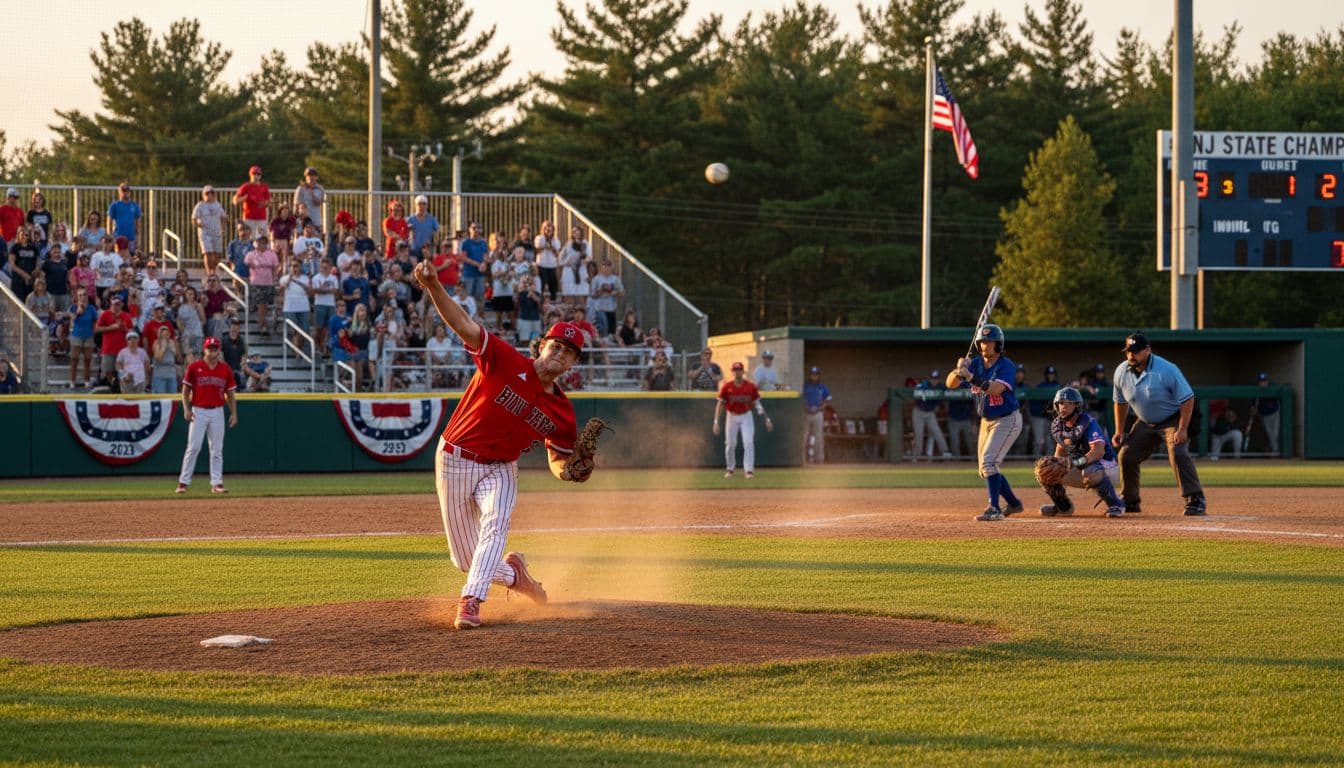
Picking a baseball camp for your young athlete can feel like buying a baseball glove and bat online, everything looks good in photos, but you won’t know the fit until it’s in their hands. For planning a summer sports program, the goal is simple: find New Jersey kids baseball camps focused on fundamental development where coaching is organized, age-appropriate, and safe.
In this guide, “best coached” doesn’t mean the camp with the flashiest ad. It means qualified staff, a clear teaching plan, steady supervision, and fair grouping by age and skill so kids get reps they can actually use. The options below are strong picks, but each fits a different kind of player, from first-time campers to older kids who want college-style workouts.
What makes a kids baseball camp “well coached” (and how to spot it fast)
A well-coached kids baseball camp delivers quality youth baseball instruction with a plan you can almost hear from the parking lot: whistle, stations, short lines, and coaches giving quick, clear cues during hitting and fielding drills. Kids leave tired, but also able to name one thing they improved.
Before you pay, look for signals that the camp is built for learning, not just keeping kids busy:
- A published day camp schedule (warm-up, stations, water breaks, games) instead of vague “skills and fun.”
- Station-based teaching with small groups, not one long lecture for 60 kids.
- Specific feedback (what to change and why, like base-running instruction), not just “good job” or “swing harder.”
- Clear safety rules (hydration, heat plan, supervision between fields, first-aid readiness).
- Age and ability groups so beginners aren’t overwhelmed and advanced kids aren’t stuck waiting.
If the camp page doesn’t answer these basics, it’s fair to call or email and ask. A well-run program won’t dodge simple questions.
Coach credentials and teaching style that actually help kids improve
The best instruction comes from coaches who can teach, not just play. Strong camps often list their professional coaching staff who run the program (college staff, a high school head coach, or certified instructors) and what the coaching day looks like.
For younger players, good coaching looks like short demos, simple cues (hands here, feet there), and lots of repetitions focused on skill development. For older kids, it shifts toward detail: timing, footwork patterns, pitch recognition, and game-speed decision making. Either way, the biggest green flag is coaches correcting in the moment and then letting kids try again right away.
Pay attention to tone, too. Great coaches keep standards high without embarrassing players. The goal is confidence that sticks after camp, including in the mental aspect of the game, not a tough-love speech that fades by the next weekend game.
Coach-to-camper ratio, grouping, and safety rules parents should ask about
Baseball is a reps sport. If a camp has long lines, your child may take 20 swings all day and spend the rest of the time watching. Smaller groups mean more throws, more ground balls, and more coach feedback.
For skills stations, a solid target is around a player to instructor ratio of 1:8 to 12. That range usually keeps lines moving while still giving coaches time to correct mechanics. Also ask how campers are grouped. The best camps separate by age first, then adjust by skill after the first few drills.
Safety matters just as much as instruction. Ask about hydration breaks, shade access, and what happens on very hot days. You can also ask if a trainer or first-aid-qualified staff member is on site, how allergies and meds are handled, and how kids are supervised during transitions (bathroom breaks, moving between fields, lunch).
The best coached kids baseball camps in New Jersey for 2026 (top picks)
Dates and pricing can change, especially as summer approaches. Treat the details below as a planning snapshot and confirm everything on each camp’s official page before registering.
Rutgers University Baseball Camps in Piscataway (college coaching at Bainton Field)
Rutgers runs its summer baseball camp at Bainton Field at Rutgers University in Piscataway, with access to campus baseball training facilities that support a true baseball practice environment. The youth option for summer 2026 is the Jr. Knights Youth Development Camp for 2nd through 8th graders, scheduled June 22 to 25, 2026, listed at $424 registration fees.
Coaching is led by the Rutgers Scarlet Knights staff, including the collegiate head coach, and the camp format is built around teaching fundamentals with age-based grouping. It’s a strong fit for families who want instruction that feels like a real team practice, organized stations, clear expectations, and lots of movement.
Rutgers also lists separate elite prospect sessions for older players (8th through 12th grade) on June 17, July 15, and August 13, 2026, aimed at athletes ready for higher pace and sharper evaluation. You can verify the current lineup and any updates on the official Rutgers University Baseball Camps site.
Best for: younger kids who need fundamentals taught the right way, plus older players who want college-style workouts and coaching standards.
Pirate Baseball Camp at Seton Hall Prep in West Orange (small groups, high school pros)
Seton Hall Prep’s summer baseball camp, the Pirate Baseball Camp in West Orange, stands out for structure and personal attention. It’s designed for boys in grades 5 through 12, with campers grouped by age, skill, and size so instruction stays realistic and safe.
The camp features Head Coach Mike Sheppard Jr., a collegiate head coach whose program boasts multiple state championship titles and a track record of alumni earning professional contracts, plus a professional, certified coaching staff.
One detail parents love is the stated 1:10 coach-to-camper ratio, which usually means more corrections, more reps, and fewer long lines. Sessions are commonly set up as Monday through Thursday days (often 8:30 am to 2 pm), which can work well for families balancing summer schedules or seeking NJ baseball clinics for additional training beyond a one-week camp.
Because details can shift year to year, confirm sessions, policies, and current pricing on the Pirate Baseball Camp page.
Best for: players who respond to hands-on coaching and want direct feedback, especially middle school and high school athletes preparing for tryouts.
U.S. Baseball Academy camp in Lakewood (skill work plus games at Georgian Court)
U.S. Baseball Academy runs a summer baseball camp in Lakewood that uses a development model built around fundamentals in hitting, pitching, and fielding, taught in a small-group setting. The camp is listed as a four-day format, and it’s geared toward youth players, with many USBA programs commonly serving ages 7 to 14.
What makes USBA appealing for many families is the balance: focused instruction for mechanics, then chances to apply skills through competitive play and game situations. The program also describes a low player-to-coach ratio, which is a strong sign your child won’t be stuck watching from the end of a line all morning, and includes more game situations to build real-world application.
To confirm the current Lakewood schedule, format, and what’s included, see the official USBA Lakewood summer camp listing.
Best for: kids who learn best by doing, especially players who want coaching but also want the energy of competition and game situations.
How to pick the right camp for your child’s age, confidence, and goals
The “best” camp on paper can be the wrong camp for your child. The right fit depends on confidence, attention span, and what they need next. Think of it like a baseball glove and bat: the top brand won’t help if the size is off.
Start with your non-negotiables. How far are you willing to drive each day? Does your child do better with half days or full days, including aftercare options for working parents? Is the budget built for one premium week, or do you want a simpler local option plus private lessons later?
Also think about timing. A camp right before tryouts can be great, but only if your child has a light throwing plan and isn’t going in “cold.”
Quick match guide: beginners, travel ball kids, and older players aiming for tryouts
If your child is a beginner, prioritize calm teaching, lots of basic reps, team play, and grouping that keeps pressure low. College-led youth camps, often structured as all skills camps, can be excellent here when the staff breaks skills into simple steps and keeps kids moving.
If your child already plays travel ball or a competitive rec level, look for tight stations and frequent correction. Summer baseball camps with smaller group ratios, like strong high school programs, can help a player fix a swing path, clean up footwork, or sharpen throws without guessing what to change.
If your child is an older player aiming for tryouts, higher pace matters. Prospect-style sessions and advanced groups tend to move quicker, expect more focus, and give more direct feedback with team play that fuels the competitive spirit. That environment can be a big boost for motivated players, but it can feel intense for kids who are still building confidence.
Questions to ask before you register (so there are no surprises)
A few quick questions can save you from the most common camp headaches:
- What’s the daily schedule and camp check-in process, and how much time is skills work vs games?
- Which skills are covered (hitting, infield, outfield, pitching, catching, baserunning)?
- How are players grouped based on player evaluations, and can groups change after day one?
- What’s the rain plan, and what happens if a day is canceled?
- What’s the refund or credit policy?
- What should campers bring, including athletic clothing, and are there equipment rules (helmet and cleats, turf shoes)?
- Are lunch and snacks provided, or do kids bring packed lunch and snacks?
- Which medical forms are required, and how are meds handled?
- What’s the photo and video policy?
- How do coaches communicate during the day if a parent needs to reach staff?
For summer 2026, confirm dates and costs on the official pages before you commit, even if you’re registering early for a summer baseball camp.
Conclusion
The best coached camps share the same bones: organized teaching from a professional coaching staff, age-appropriate groups, and supervision you can trust. These New Jersey kids baseball camps stand out because they prioritize their professional coaching staff and skill development, not hype.
Pick the camp that matches your child’s confidence, goals, and skill development needs, then register early since strong programs fill up. After you choose, check the official camp page and plan a light “ramp-up week” before camp (easy throwing, hydration habits, and breaking in cleats) so your player shows up ready to learn. For continued skill development after summer, consider NJ baseball clinics.

Recent Articles


-
Guide to New Jersey Fall Activities and Festivals: 2026
Sep 15, 26 05:35 PM
 Plan your 2026 autumn with this guide to New Jersey fall activities and festivals, including seasonal events, local fun, and family-friendly ideas.
 -
Guide to 2026 New Jersey Cultural Festivals and Events
Sep 15, 26 01:28 PM
 Discover the 2026 New Jersey cultural festivals and events, from food and music to art and heritage celebrations, all across the Garden State
 -
Discover New Jersey Top Italian Festivals For The Year 2026
Sep 14, 26 05:29 PM
 Explore the top Italian festivals in NJ for 2026. Enjoy delicious food, live music, and family fun at New Jersey’s favorite cultural events this season.