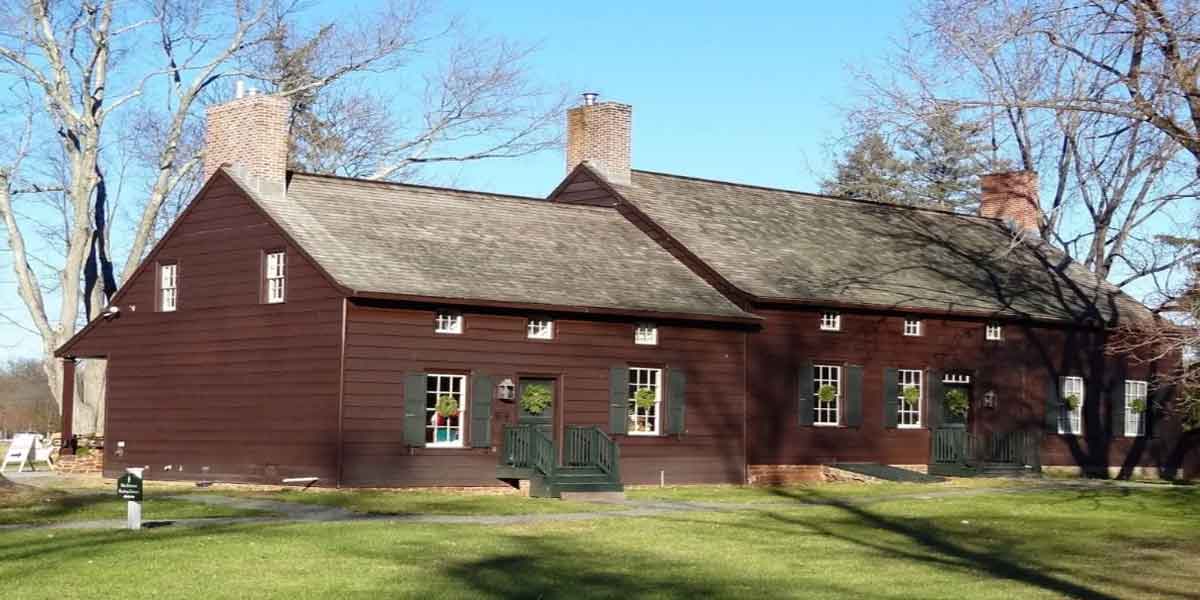
photo courtesy: Jacobus Vanderveer House and Museum
Visitor’s Guide to the Jacobus Vanderveer House in Bedminster, NJ
Looking for a small historic site with a big story? The Jacob Vanderveer house sits inside River Road Park in Bedminster, where winter camp life once shaped the future of the Continental Army.
- General Henry Knox used the house as his winter headquarters during 1778 to 1779.
- It is the only surviving building linked to the Pluckemin Continental Artillery Cantonment.
- Visitors can expect a small historic-house tour, limited accessibility in some areas, and easy parking near the park.
- The Jacobus Vanderveer House offers visits by appointment only.
In this guide, you will learn how to plan a visit, what to see, and simple tips to make your stop easy at the Vanderveer house.
Why this Bedminster landmark matters: the stories behind the Vanderveer House Bedminster NJ
History feels close here. The Vanderveer House bridges the quiet of a park setting with the energy of a wartime headquarters.
During the bitter winter of 1778 to 1779, General Henry Knox and his staff worked from this farmhouse while the artillery trained nearby at Pluckemin. That training, and the logistics that supported it, helped shape a more professional army.
What makes the site stand out is rarity. The house is the only known survivor tied to the artillery cantonment. You can step into rooms where plans were made, letters were drafted, and officers gathered by the fire. The setting tells a human story, not just dates and names.
The museum team keeps the focus on everyday life, both military and domestic. Visitors see how the Vanderveer family lived, cooked, and kept warm in a New Jersey winter. They also learn how artillery units drilled, moved heavy guns, and supplied powder, tools, and horses.
Revolutionary War roots: General Henry Knox and the Pluckemin Cantonment
General Henry Knox was the chief of artillery for the Continental Army. He used this house as his winter headquarters from 1778 to 1779 while his troops trained nearby.
The Pluckemin Continental Artillery Cantonment was America's first organized artillery training ground. Many historians view it as a forerunner to West Point because it formalized instruction and practice.
The Jacobus Vanderveer House is the only surviving structure linked to that training post. That fact alone makes the site rare, but the house also gives a personal view of military planning.
You can picture maps spread over a table, letters sealed with wax, and boots drying by the hearth after a day on the drill field.
Colonial and Federal architecture you can spot on your tour
This farmhouse wears its years well. Look for wide pine floors with a soft sheen, wood paneling with simple moldings, and fireplaces that anchored family life. The original Dutch-American Colonial core feels sturdy and compact. An early 1800s Federal-style addition brings symmetry, higher ceilings, and larger rooms that hint at growing comfort.
Restoration work aims to show the house close to how it looked in the early 1800s. As you move room to room, notice the transitions. Door and window trim grows more refined. Floorboards change width. Stair rails shift in style. These small details tell when parts of the house were built, and how taste changed over time.
What families and history fans learn inside
Tours keep the focus on people. You will hear how the Vanderveer family ran a farm, cooked on an open hearth, and stored food for winter. You will also learn how artillery units moved heavy guns, trained crews, and supplied ammunition safely.
Exhibits often include period furnishings and artifacts that spark questions from kids and adults. Docents share short stories that connect tools and furniture to daily life. Teens curious about military history enjoy the focus on training and logistics. Families appreciate that stops are short and hands-on where possible.
Plan your visit: hours, tours, tickets, and directions
The house sits inside River Road Park, which makes visiting simple and relaxing. The museum is open by appointment only, so schedule ahead. Admission is typically modest, with free entry for young children.
Guided and self-guided tours are offered, including private group visits. Since programs shift by season, always confirm the latest details with the museum.
For official updates, schedules, and current programs, plan your trip through Jacobus Vanderveer House & Museum
Location, driving routes, and parking
- Address: 3055 River Road, Bedminster, NJ 07921, inside River Road Park.
- Driving: Easiest access comes via US Routes 202 and 206, with connections from I-78 and I-287.
- Parking: On-site or nearby park parking is available.
- Transit: Public transit is limited in this area. A rideshare or carpool can help.
Accessibility, amenities, and visitor policies
Historic houses often have stairs and narrow doorways, so accessibility can be limited. Climate control is modest, and rooms can feel cool or warm depending on the season.
Dress for the weather. Restrooms are available in the park or visitor areas, depending on the day and event setup. Ask about indoor photography and avoid touching fragile furniture and floors. Staff will guide you to safe spots for kids to stand or sit during talks.
Smart tips to make your stop easy
- Wear comfortable shoes for wood floors and short walks in the park.
- Bring a light jacket in cooler months.
- Reserve a tour for busy spring or fall weekends.
- Plan extra time to explore River Road Park trails and open fields.
- Combine your stop with a nearby historic site to fill a morning or afternoon.
Make it a day in Bedminster: events and nearby things to do
A visit here pairs well with a slow morning or relaxed afternoon. You get history, fresh air, and simple add-ons within a short drive. Keep plans flexible in case an event or guided walk pops up on the calendar.
Events at the Vanderveer House New Jersey worth catching
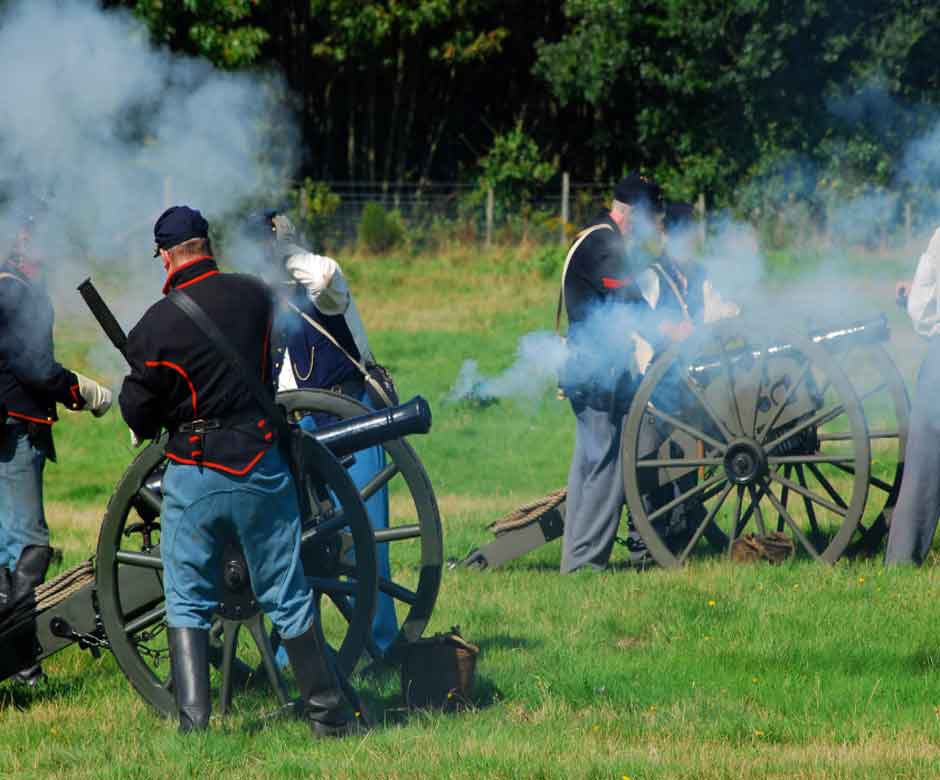
Watch for living history days, small reenactments, and talks that bring stories to life. Seasonal open houses and holiday programs are popular, so tickets or reservations may be required.
Nearby historic stops and parks
Stay close to keep driving simple. The Pluckemin Historic District is minutes away and connects to the artillery story. The Bedminster Reformed Church Cemetery links local families across centuries.
You can also pick from other Somerset County Revolutionary War sites and walking paths inside River Road Park. These choices fit easily into a half day around the house.
Easy food ideas and where to take a break
Keep it casual. Pack a picnic for River Road Park and enjoy a bench or open field after your tour. Or choose a quick bite along Routes 202 and 206 in Bedminster or nearby Pluckemin. Coffee before or after your visit pairs well with a short stroll in the park.
Frequently Asked Questions
About the Jacobus Vanderveer House
Where is the Jacobus Vanderveer House located?
It is inside River Road Park at 3055 River Road in Bedminster, NJ 07921. The site is easiest to reach by car, with access from US Routes 202 and 206, plus I-78 and I-287. Public transit is limited in this area.
Do I need to book a tour in advance?
Yes, the museum is open by appointment only, so it helps to schedule ahead. Guided and self-guided tours are offered, and private group visits are available as well. Check the official museum site for the latest hours and seasonal updates.
Why is the Jacobus Vanderveer House historically important?
The house was General Henry Knox's headquarters during the winter of 1778 to 1779. It is also the only surviving building tied to the Pluckemin Continental Artillery Cantonment, which many historians view as an early artillery training ground and a forerunner to West Point.
Is the house accessible and family-friendly?
It is a historic house, so expect stairs, narrow doorways, and limited accessibility in some areas. Families usually do well here because the tours are short, the setting is manageable, and the exhibits focus on daily life, military training, and period artifacts. Comfortable shoes help, and park conditions can vary by season.
Where is the Jacobus Vanderveer House located?
It is inside River Road Park at 3055 River Road in Bedminster, NJ 07921. The site is easiest to reach by car, with access from US Routes 202 and 206, plus I-78 and I-287. Public transit is limited in this area.
Do I need to book a tour in advance?
Yes, the museum is open by appointment only, so it helps to schedule ahead. Guided and self-guided tours are offered, and private group visits are available as well. Check the official museum site for the latest hours and seasonal updates.
Why is the Jacobus Vanderveer House historically important?
The house was General Henry Knox's headquarters during the winter of 1778 to 1779. It is also the only surviving building tied to the Pluckemin Continental Artillery Cantonment, which many historians view as an early artillery training ground and a forerunner to West Point.
Is the house accessible and family-friendly?
It is a historic house, so expect stairs, narrow doorways, and limited accessibility in some areas. Families usually do well here because the tours are short, the setting is manageable, and the exhibits focus on daily life, military training, and period artifacts. Comfortable shoes help, and park conditions can vary by season.

Explore NJ’s Top 10 Weird Attractions for Kids—Whimsy Awaits!
Recent Articles


-
Guide to New Jersey Fall Activities and Festivals: 2026
Sep 15, 26 05:35 PM
 Plan your 2026 autumn with this guide to New Jersey fall activities and festivals, including seasonal events, local fun, and family-friendly ideas.
 -
Guide to 2026 New Jersey Cultural Festivals and Events
Sep 15, 26 01:28 PM
 Discover the 2026 New Jersey cultural festivals and events, from food and music to art and heritage celebrations, all across the Garden State
 -
Discover New Jersey Top Italian Festivals For The Year 2026
Sep 14, 26 05:29 PM
 Explore the top Italian festivals in NJ for 2026. Enjoy delicious food, live music, and family fun at New Jersey’s favorite cultural events this season.