Batsto Village in the Pine Barrens:
History You Can Walk Through

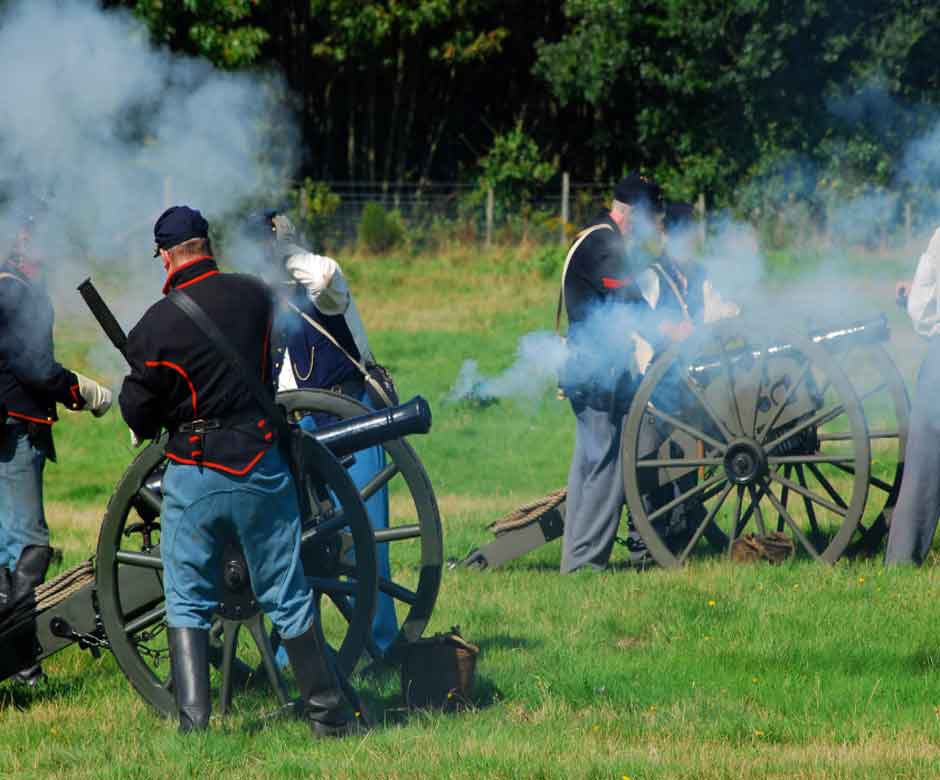
Photo Courtesy: Shirley Paupard O'Neil
Ever wanted to time travel without leaving New Jersey? Step onto the sandy paths of Batsto Village A Pine Barrens Nationally Recognized Historic Site, and you’ll feel the clock slow. This preserved company town sits inside Wharton State Forest, where cedar water, cranberry bogs, and tall pines frame an authentic 18th and 19th century industrial village.
What is it, and why does it matter? Batsto began as an ironworks that powered a young nation. It grew into a full community with mills, a store, a school, and a mansion. Today, it’s one of the best places in the state to see how work, nature, and daily life fit together.
In this guide, you’ll get a short history, the best things to see, and easy planning tips for your visit.
Batsto Village History and Why It Matters to the Pine Barrens
From Bog Iron to Revolution: How the Ironworks Supported the Continental Army
Batsto began in 1766 when Charles Read set up an ironworks by a steady stream. Workers gathered bog iron from swamps and streams, then burned local hardwood to make charcoal. Water power drove the furnaces and mills. During the American Revolution, Batsto produced camp kettles, shot, and other goods for the war effort. Skilled workers often stayed on the job, since their labor kept supplies flowing.
The Richards Family Built a Real Village: Homes, Mills, and a Stately Mansion
In 1784, William Richards took over and turned a plant into a village. Homes went up near the works, a general store stocked daily needs, and a sawmill and gristmill kept the community supplied. A fine mansion signaled success and stability. People lived, worked, and worshiped here, far from cities, but with everything they needed close at hand.
Joseph Wharton’s Makeover: Cranberries, Farming, and a Country Estate
Iron ebbed, so the village pivoted to glassmaking and farming. In 1876, Philadelphia businessman Joseph Wharton bought Batsto. He updated the mansion, tried new crops, and invested in cranberry farming. That shift proved the village could adapt. The landscape changed with it, as fields, bogs, and service buildings supported a country estate.
Saved for Everyone: Restoration, Wharton State Forest, and the Pinelands National Reserve
New Jersey eventually purchased the property, stabilized the buildings, and opened it to the public. Batsto is listed on the New Jersey and National Registers of Historic Places, and sits within Wharton State Forest inside the Pinelands National Reserve. That setting protects rare habitats, clean water, and a one-of-a-kind story. You can learn more background on Batsto Village Page.
Best Things to See and Do at Batsto Village Today
Must-See Buildings: Batsto Mansion, General Store, Blacksmith, and Gristmill
The Batsto Mansion stands tall above the village, with rooms showing the Richards and Wharton eras. The general store hints at daily life, with shelves for candles, tools, and flour. The blacksmith shop puts ironwork in context, from horseshoes to hardware. The gristmill, set by the water, shows how power flowed from stream to stone. Each spot adds a piece to the village puzzle.
Visitor Center and Museum: Exhibits, Film, and the Old Post Office
Start at the Visitor Center. Exhibits explain bog iron, industry, and local ecology. A short film gives a quick overview so the buildings make sense when you walk outside. Don’t miss the historic post office. It still hand-cancels letters without zip codes, so bring a postcard for a quirky keepsake.
Easy Trails, Paddling, and Fishing in the Pine Barrens
Flat village paths make for a relaxed walk, with shaded benches along the way. Families will find stroller-friendly stretches and open space to roam. Nearby waters offer spots to canoe or kayak, with sandy landings and slow currents in many sections. For longer hikes, look for the Batona Trail connection. Always review maps and conditions before you go.
Seasonal Events and Living History: When to Catch Demonstrations
On select dates, you may find craft demonstrations, mansion tours, or fairs with local makers. Weekends in spring and fall often feel lively, while winter can be quiet and still. Schedules change with staffing and season. Early mornings offer calm paths and good light for photos.
Plan Your Visit to Batsto Village in New Jersey
Getting There, Parking, and Hours: What to Know Before You Go
Batsto sits along CR 542 within Wharton State Forest, with clear signs leading to the main lot. Parking areas are near the Visitor Center and village. Grounds are generally open during daylight hours, and building access varies by day and season. Tours and any fees can change.
When to Visit: Weather, Crowds, and Fall Colors
Spring brings mild air and fresh green. Fall paints the oaks and maples with rich color, and the light feels crisp. Weekends can be busy, so arrive early for easier parking and quieter paths. Summers run hot and humid, and insects are active. Pack water, sunscreen, a hat, and insect repellent. Dress in layers during shoulder seasons.
Accessibility and Family Tips: Strollers, Restrooms, and Snacks
Many village paths are flat or packed dirt. Some areas work for strollers, while others can be sandy or uneven. Begin at the Visitor Center for restrooms, maps, and a quick orientation. Wear closed-toe shoes, bring snacks and a simple plan, and let kids pick a few must-see stops. A postcard for the old post office adds a fun mission.
Respect the Pine Barrens: Safety, Ticks, Fires, and Leave No Trace
Stay on marked paths to protect plants and nesting sites. Check for ticks after your walk, especially in warm months. Do not start fires where not allowed, and follow posted rules in dry weather. Pack out trash, keep noise low, and give wildlife space. Paddlers and anglers should review local regulations before heading out.
Conclusion
History feels close at Batsto. The mills, mansion, trails, and that old post office all hint at how people shaped the pines, then learned to live with them. You get time to learn, walk, and slow down, all in one visit. That mix is why this place endures as Batsto Village A Pine Barrens Nationally Recognized Historic Site.