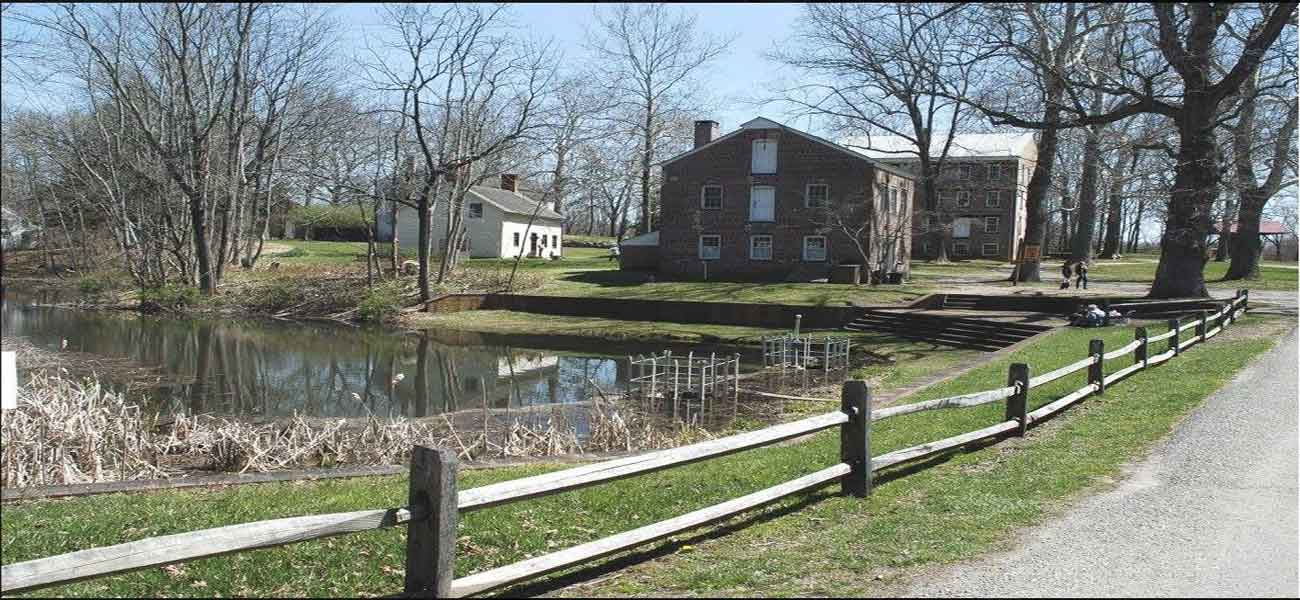
Photo Courtesy: Allaire Village
Historic Allaire Village: A Hands-On Window Into Early Industry in New Jersey
Looking for a day trip that feels like time travel?
- Allaire Village is a living history museum inside Allaire State Park in Farmingdale, New Jersey.
- The site recreates Howell Works, the 1820s iron-making village founded by James P. Allaire.
- Visitors can tour original buildings, including the General Store, Blacksmith Shop, Carpenter's Shop, Bakery, Chapel, workers' homes, and, when open, the Allaire Mansion.
- Live demonstrations, seasonal events, and short trails make it a strong half-day trip for families, history fans, and school groups.
Expect costumed interpreters, working shops, and a friendly place to explore. It is history you can hear, smell, and touch.
What is Historic Allaire Village and who was James P. Allaire?
Historic Allaire Village A living history museum dedicated to the life and times of James Allaire is a living history museum inside Allaire State Park, Farmingdale, Monmouth County, NJ. James P. Allaire was an American industrialist known for building marine steam engines in New York. In 1822, he founded Howell Works, an iron-making village in the New Jersey pinelands, to secure iron for his engines and for cast goods.
The village drew on “bog iron,” a natural iron ore found in local marshes. Workers smelted it into pig iron, then cast it into everyday items. Think pots, stoves, bakeware, and tools. At its height, Howell Works was home to about 400 to 500 people, living and working as a self-contained company town. When the iron business failed in 1846, output fell, and the furnace was closed by 1848.
After decades of wear and quiet, restoration began in the 1950s. The museum opened in 1957 and continues to grow. The village preserves daily life from the early Industrial Revolution, not just the big machines. You see homes, a chapel, shops, and the people’s routines.
The Howell Works story: iron, people, and purpose
Bog iron is iron-rich material found in wetlands. Workers dug it, smelted it in a furnace to make “pig iron” (raw iron ingots), then cast it into finished goods. Howell Works ran like a small town, with homes, shops, a chapel, and strict schedules.
People made cookware and hardware that supported Allaire’s steam engine business in New York, a key link in early American industry. For villagers, the 1820s meant long days, hot fires, and steady craft work, but also community events, church, and a shared place to live.
What you will see today: original buildings and live history
Thirteen original buildings remain. Highlights include the General Store, Blacksmith Shop, Carpenter’s Shop, Bakery, Chapel, workers’ homes, and the Allaire Mansion. Costumed interpreters fill these spaces with stories and sound.
You might hear a hammer ring, see a loaf go into a brick oven, or watch a tinsmith shape sheet metal. Many programs invite questions, and some days include simple hands-on learning.
Where it is and how to get there
Address: 4263 Atlantic Avenue, Farmingdale, NJ. Drive via Garden State Parkway Exit 98 or I-195 Exit 31B. The village sits inside Allaire State Park, with on-site parking near the entrance. On popular event days, arrive early to park close and settle in before programs start.
Learn more about the site’s mission and programs on the official museum pages, including the overview of The Historic Village at Allaire
Best things to see and do at Allaire Village
Walk the village first to get the lay of the land.
- Step into the General Store to see shelves stocked as they were, then swing by the Blacksmith Shop to watch iron glow and bend.
- The Carpenter’s Shop shows how wood builds a town, from beams to furniture.
- The Bakery may tempt you with fresh smells.
- The Chapel offers a quiet pause, and the Allaire Mansion, when open, gives you a peek into company leadership and family life.
- Skilled trade demos are a standout. Look for blacksmithing, tinsmithing, carpentry, and baking. Some days include hands-on tasks for kids and adults.
- The village hosts a steady stream of community events. Expect antique sales, fleamarkets, square dances, and concerts that bring the green to life.
- Look for ghost tours, an autumn “Night of Frights,” and a popular fall flea market. The mansion’s tree lighting is a charming seasonal highlight.
- The Chapel can be reserved for weddings and special moments. Finish with the gift shop or bakery, and leave time for an easy trail walk in Allaire State Park.
Must-see buildings and shops
- General Store: Shelves, ledgers, and goods show how people shopped, bartered, and chatted.
- Blacksmith Shop: See iron heated and hammered, and learn how tools and hardware were made.
- Carpenter’s Shop: Hand tools and wood joinery explain how buildings and furniture came together.
- Bakery: Brick ovens, simple ingredients, and warm air show how daily bread was made.
- Chapel: A bright, calm space for services and community gatherings.
- Allaire Mansion: Rooms and records share the owner’s world and village leadership.
- Workers’ homes: Small rooms, simple furniture, and shared spaces reveal family life.
Live demos and hands-on activities
Expect blacksmithing, tinsmithing, carpentry, and baking demonstrations. Some programs invite visitors to try simple steps, like twisting a small piece of metal or using a hand tool with guidance. Demonstrations change by date, so check the schedule on the museum’s website. If a particular demo is a must, plan your visit around it.
Events and special days to plan around
Antique sales, flea markets, square dances, and concerts bring extra energy to the village green. Event days get busy and they are a lot of fun. Arrive early, bring a small amount of cash for vendors, and be ready for lines at peak times.
Nature break: trails and peaceful spots
Take a short loop around the village for photos of the chapel and mansion. If time allows, step onto nearby trails in Allaire State Park for a quiet walk among pines and oaks. Pause for a snack at the bakery or use picnic areas if open. The mix of history and nature makes for a relaxed, balanced visit.
When to go and how to avoid crowds
Mornings are the calmest. Weekdays or non-holiday weekends are great for slow exploration. If you want extra activities, come on special event days, but plan for parking and lines. Check the calendar before you travel, especially in spring and fall when events pick up.
A family-friendly half-day plan works well. Start at the Visitor Center and General Store, then catch a blacksmith demo. Walk through the workers’ homes, grab a short trail stroll, and visit the Chapel. If open, tour the Allaire Mansion. Wrap up with a stop at the bakery or gift shop for a simple treat.
Tickets, donations, and support
Programs run thanks to volunteers, private donations, and grants. There is no state funding for education, so even small gifts make a difference. Memberships and donations help preserve buildings, fund demos, and expand community programming.
A simple half-day itinerary for families
- Start at the Visitor Center and General Store to orient and ask about demos.
- Catch a blacksmith demonstration, then stop at the Carpenter’s Shop.
- Visit the workers’ homes to see how families lived.
- Take a short trail walk for fresh air and photos.
- Step into the Chapel, then tour the Allaire Mansion if open.
- Finish at the bakery or gift shop for a sweet end.
Frequently Asked Questions
About Allaire VillageWhat is Allaire Village?
Allaire Village is a living history museum inside Allaire State Park in Farmingdale, Monmouth County, New Jersey. It recreates the Howell Works iron-making village and gives visitors a close look at 1820s industrial life.
Who was James P. Allaire?
James P. Allaire was an American industrialist known for building marine steam engines in New York. He founded Howell Works in 1822 so he could produce iron for his engines and for cast goods.
What can you see and do at Allaire Village?
Visitors can walk through original buildings like the General Store, Blacksmith Shop, Carpenter's Shop, Bakery, Chapel, workers' homes, and the Allaire Mansion when it is open. The village also offers trade demonstrations, seasonal events, and hands-on activities on select days.
How long should I plan for a visit?
A half-day visit works well for most people. That gives you time to see the main buildings, catch a demonstration, and take a short walk in Allaire State Park.
Is Allaire Village good for families?
Allaire Village is a strong family outing because the experience is visual, hands-on, and easy to follow. Kids usually respond well to the live demon


Explore NJ’s Top 10 Weird Attractions for Kids—Whimsy Awaits!
Recent Articles


-
2026 New Jersey Restaurant Weeks: Schedule, Menus & Best Deals
Oct 01, 26 05:23 PM
 Plan your culinary tour with the complete 2026 New Jersey Restaurant Weeks guide. Find dates, prix fixe pricing, and participating restaurants
 -
Discover New Jersey's Vibrant October 2026 Festivals And Events
Sep 28, 26 11:18 AM
 Explore New Jersey's October 2026 festivals and events, with family fun, parades, food tours, and outdoor picks.
 -
Guide to New Jersey Weekend Events | October 2, 3, 4, 2026
Sep 28, 26 08:49 AM
Discover the best NJ events this weekend (October 2, 3, 4, 2026) Featuring Outdoor Festivals, Food and Drink Events, and Family Friendly events