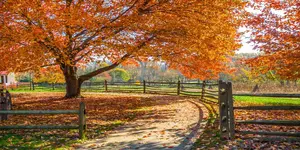
photo courtesy:Trenton-Downtown
A Visitor’s Guide to the Old Barracks Museum New Jersey (Plan Your Day in Trenton)
Looking for a day trip that makes history feel real? The Old Barracks Museum brings the 1700s to life with stories you can walk through.
- The Old Barracks Museum is in downtown Trenton, New Jersey, and it is the only surviving colonial barracks in the state.
- The site dates to 1758, when it housed British soldiers during the French and Indian War, and it later played a role in the American Revolution.
- A typical visit takes about 60 to 90 minutes and includes guided tours, living history demos, and hands-on exhibits.
- Usual hours are Tuesday through Saturday from 10 a.m. to 5 p.m. and Sunday from 12 p.m. to 5 p.m., with Mondays closed.
- Nearby Trenton add-ons include the New Jersey State Museum, the New Jersey State House, and the Trenton Battle Monument.
Why visit the Old Barracks Museum New Jersey? A quick history you can walk through
The Old Barracks is not just another historic building. It is a National Historic Landmark and the only colonial barracks left in the state.
You will see original rooms, hear soldier stories, and understand why Trenton shaped the war's momentum. If you want a preview straight from the source, start with the museum's official homepage at barracks.org.
Built in 1758 for the French and Indian War
New Jersey built the barracks in 1758 to house British soldiers during the French and Indian War. At the time, it was the largest building in Trenton, with space for about 300 men.
Daily life was simple and strict. Soldiers slept in shared bunks, drilled in the yard, ate standard rations, and kept gear ready. You can still picture the routine as you stand under the same roof.
A turning point in the American Revolution
During the Revolution, the site served many roles. American, British, and Hessian troops passed through, and parts of the complex became a military hospital.
The Battle of Trenton in late 1776 changed the war's tone. Washington's victory lifted morale, proved the army could win, and kept the fight going.
Walking the barracks helps you feel that winter pressure and the relief that followed.
Saved by locals, now a National Historic Landmark
By the early 1900s, local leaders and preservation groups, including members of the DAR, rallied to save the site. The museum opened in 1903 and has seen careful restorations since.
Today, it stands as the only remaining colonial barracks in New Jersey and is listed as a National Historic Landmark. The result is a place where you can step into 18th century spaces and understand why they survive.
Plan your visit: hours, tickets, parking, and how to get to the Old Barracks Museum NJ
Plan ahead, then relax and enjoy your time. Always check the museum's official pages for the latest updates before you go.
Hours and tickets: what to know before you go
The museum is typically open Tuesday to Saturday from 10 a.m. to 5 p.m., and Sunday from 12 p.m. to 5 p.m., closed on Mondays and major holidays.
Plan for 60 to 90 minutes. Mornings are often quieter than afternoons during school trip seasons. Buy or confirm tickets online if offered, and always check the museum's site for current hours and prices.
A quick check on current hours and admission is available on the official site at Hours, Admissions, Etc..
Address, directions, and parking
- Address: 101 Barrack Street, Trenton, NJ 08608
- Driving: Use Route 1 or I-295, then follow signs to downtown Trenton.
- Train: Take NJ Transit to Trenton station, then rideshare or walk 15 to 20 minutes.
Parking in downtown Trenton varies. Look for street parking and nearby public garages, and read posted signs. Leave extra time for city traffic and to confirm parking rules when you arrive. The museum reports on-site parking next to the building at times, so confirm on the day of your visit.
Accessibility, family tips, and photo policy
Accessibility can vary in historic buildings. The museum notes wheelchair access with ramps and elevator support. Since conditions and routes can change, call ahead or check the site to confirm entrances, restrooms, and any stair-free paths.
Family tips: strollers work best outdoors and on the ground floor. Bring water, plan a snack break nearby, and take short rests between rooms. Personal photos are usually fine, but ask staff in exhibit spaces. Pack comfy shoes, a light sweater for cooler rooms, and a phone charger.
Nearby attractions to add to your Trenton day
Make it a full day in Trenton with easy add-ons:
- New Jersey State Museum, including the planetarium
- New Jersey State House public tours
- Trenton Battle Monument for Revolutionary War context
Simple one-day plan: morning at the Old Barracks Museum, lunch downtown, then the State Museum or State House in the afternoon.
What to see and do inside the Old Barracks Museum
You do not need to see everything to have a great visit. Focus on the highlights, then follow your curiosity.
Guided tours and living history demos
Guided tours cover soldier life, officers's quarters, hospital history, and the Battle of Trenton.
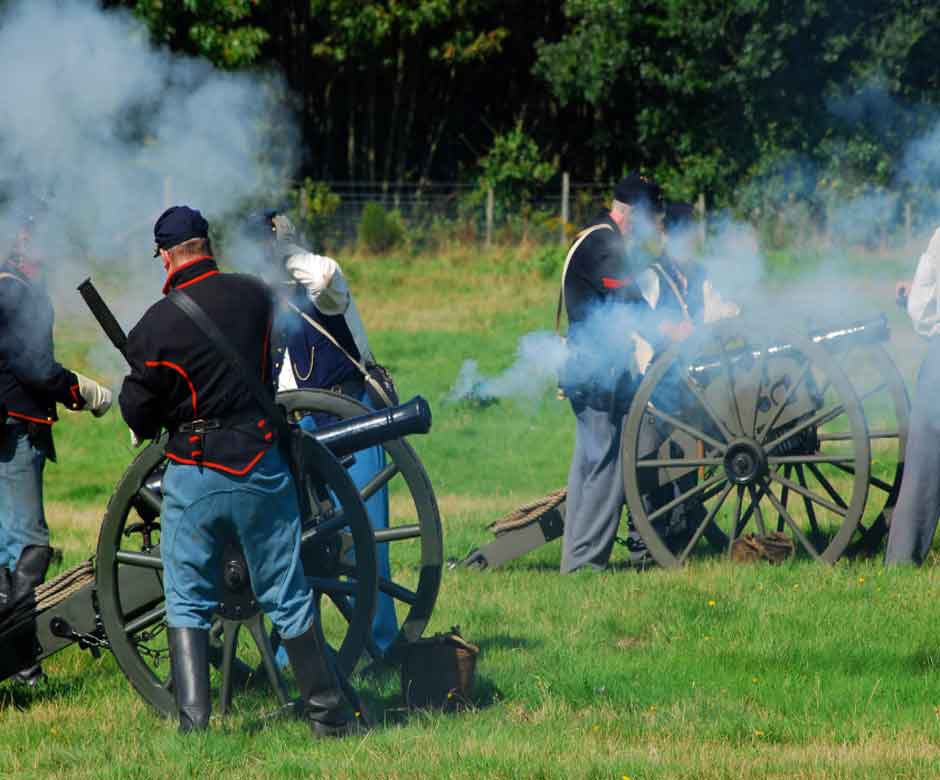
Costumed interpreters demonstrate drills, tools, and daily routines. Ask questions, and watch for short demos listed at the front desk. These small moments bring the details to life.
Must-see rooms and exhibits
Start in the soldier's quarters. Bunks held 12 to 16 men per room, and you can sense how tight it felt. Step into the officer's quarters to see how rank shaped comfort.
Look for staged rooms set to the 1770s, then scan small details, like tools, uniforms, and cooking gear. Take a quiet minute in the courtyard and picture winter quarters full of smoke, chatter, and orders.
Hands-on learning for kids and curious adults
Many tours include chances to try safe replicas, simple colonial games, or replica clothing.
Staff tailor explanations for school groups and families, so speak up about your interests. Ask if any short activities are running while you are there. A five-minute demo can be the highlight for kids.
Seasonal events, including Patriots Week
Patriots Week in late December fills Trenton with talks, reenactments, and family programs.
The museum also runs workshops and lectures through the year. Special events can sell out. Book early and check the museum calendar on the official site for dates and details.
Sample visit details at a glance
| Topic | Quick Facts |
|---|---|
| Ideal visit | 60 to 90 minutes |
| Typical hours | Tue to Sat 10 a.m. to 5 p.m., Sun 12 p.m. to 5 p.m., closed Mondays |
| Admission | Adults about $10; discounts for seniors, students, and kids; under 5 free |
| Address | 101 Barrack Street, Trenton, NJ 08608 |
| Getting there | Drive via Route 1 or I-295, or take NJ Transit to Trenton station |
| Parking | Street and garages nearby; confirm signs; on-site parking may be available |
| Best for | Families, school groups, history fans, first-time visitors to Trenton |
Frequently Asked Questions
About the Old Barracks Museum in NJ
What is the Old Barracks Museum known for?
The Old Barracks Museum is known as the only surviving colonial barracks in New Jersey. It connects to the French and Indian War, the Battle of Trenton, and living-history tours that show daily soldier life.
How long should I plan for a visit?
Plan on 60 to 90 minutes for most visits. That gives you enough time for the main rooms, exhibits, and a guided tour or demo.
What are the museum's usual hours and admission?
The museum is usually open Tuesday through Saturday from 10 a.m. to 5 p.m. and Sunday from 12 p.m. to 5 p.m., with Mondays and major holidays closed. Adult admission is about $10, with discounts for seniors, students, and kids, and children under 5 admitted free.
Is the Old Barracks Museum good for kids?
It works well for families because the museum uses costumed interpreters, simple demonstrations, and hands-on learning. Strollers are best on the ground floor and outdoors, so it helps to plan for short breaks.
What else can I do near the museum?
You can turn the visit into a full Trenton day by adding the New Jersey State Museum, the New Jersey State House, or the Trenton Battle Monument. Those stops fit well before or after your museum visit.

Explore NJ’s Top 10 Weird Attractions for Kids—Whimsy Awaits!
Recent Articles


-
Guide to New Jersey Fall Activities and Festivals: 2026
Sep 15, 26 05:35 PM
 Plan your 2026 autumn with this guide to New Jersey fall activities and festivals, including seasonal events, local fun, and family-friendly ideas.
 -
Guide to 2026 New Jersey Cultural Festivals and Events
Sep 15, 26 01:28 PM
 Discover the 2026 New Jersey cultural festivals and events, from food and music to art and heritage celebrations, all across the Garden State
 -
Discover New Jersey Top Italian Festivals For The Year 2026
Sep 14, 26 05:29 PM
 Explore the top Italian festivals in NJ for 2026. Enjoy delicious food, live music, and family fun at New Jersey’s favorite cultural events this season.