12 Must-Try Authentic Pizza Spots in New Jersey
August 6, 2026
New Jersey has a reputation for serving some of the best pizza in the United States. With a long history of Italian influence and its location between New York and Philadelphia, New Jersey developed a pizza culture that stands out from the rest.
- New Jersey's authentic pizza scene includes Neapolitan pizza, New York-style pizza, Sicilian pizza, Roman-style pizza, coal-fired pizza, and Trenton tomato pie.
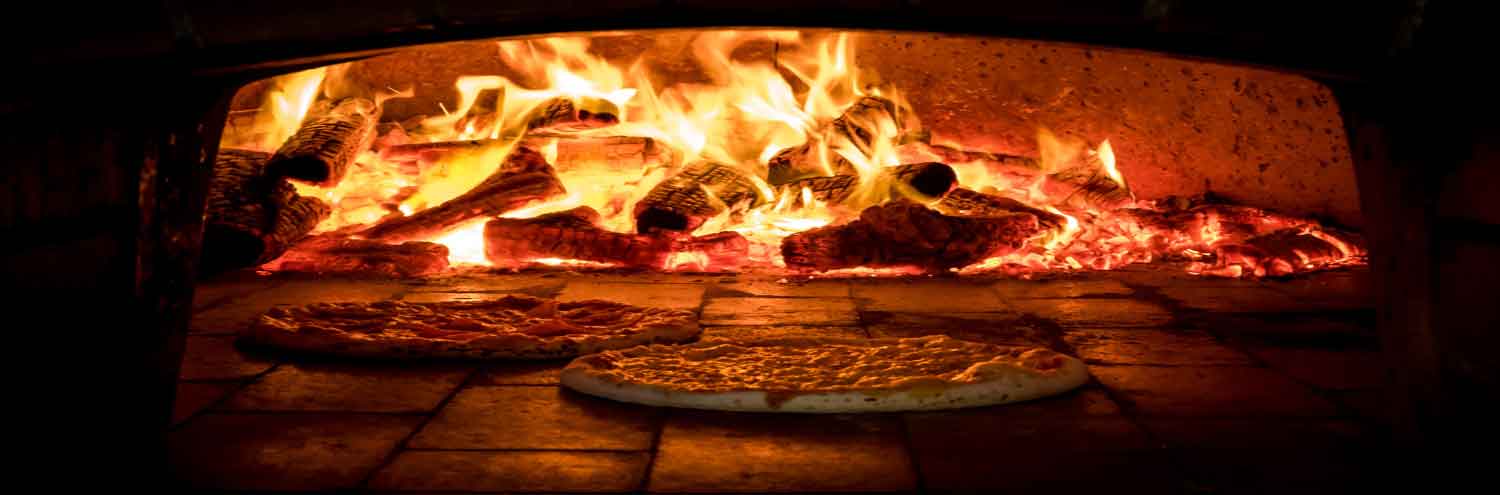
- The popular Neapolitan pizza typically uses a thin, hand-shaped crust, high-quality tomatoes and mozzarella, and a wood-fired oven heated to about 800 to 900°F.
- Northern New Jersey spots in the article include Ah Pizz, Bivio Pizza Napoletana, Emilio's Wood Fired Pizza, La Sorrentina, and Razza.
- Central New Jersey is known for Trenton tomato pie, which places cheese and toppings under the tomato sauce. Featured restaurants include Conte's Bar, De Lorenzo's Tomato Pies, Papa's Tomato Pies, and Talula's.
- Southern New Jersey options include Anthony's Coal Fired Pizza, Bricco Coal Fired Pizza, Treno Pizza Bar, and Tacconelli's Pizzeria.
The question of what makes the "best pizza" is impossible to answer objectively. Debating pizza is like debating religion or politics—people have deep-rooted opinions shaped by personal experiences, and convincing someone to abandon their favorite style is nearly impossible.
If you believe your favorite pizza joint makes the best pizza, then to you, it is the best. Pizza is deeply personal, and a restaurant's popularity often depends more on customer preferences than on the freshness of ingredients or the authenticity of its preparation.
Popular Pizza Styles in New Jersey
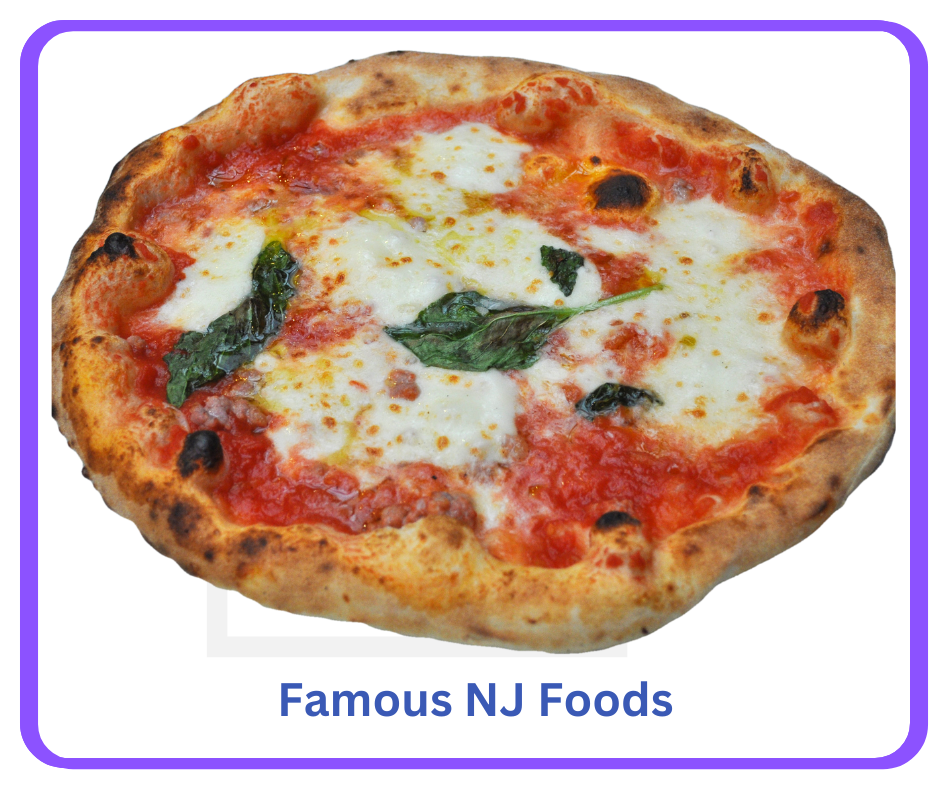
- Neapolitan Classic Neapolitan pizza uses simple, high-quality ingredients like San Marzano tomatoes, fresh mozzarella, and basil. Baked in a wood-fired oven, this pizza has a light, tender crust with a smoky finish.
- Tuscan Tuscan pizza uses a thicker, more bread-like crust than Neapolitan, often with a rich sauce and a blend of cheeses. Herbs and meats finish the pie.
- New York Neapolitan New York Neapolitan offers a thinner, crispier version, usually larger and baked at lower heat. The crust holds up to more cheese and sauce, fitting local tastes.
- Sicilian With its thick, square crust, Sicilian pizza delivers a soft, airy bite. Toppings often blend right into the dough, and you’ll notice a bold garlic kick.
- Trenton Tomato Pie Tomato pies layer the cheese and toppings first, then add sauce on top. This gives the pie a crispier crust and lets the tomato flavor shine through.
- Roman Style Roman-style pizza is catching on, too. The airy, sturdy crust holds up under plenty of toppings. Some places offer rectangular slices sold by weight, while others serve whole, round pizzas.
What is Authentic Italian Neapolitan Pizza?
New Jersey's Most Popular Pie
Authentic Italian pizza—especially the classic Neapolitan style (pizza napoletana)—is defined by a fairly strict set of traditions rooted in Naples, where pizza as we know it originated in the late 18th/early 19th century.
The Neapolitan pizza standard from The AVPN EU-recognized standard for authentic Neapolitan pizza defines authentic ingredients and very high baking temperatures for true Neapolitan pizza:
The dough:
A compact, hand-formed dough ball made from four basic ingredients only: flour, water, salt, and yeast. AVPN says the dough balls should weigh 200–280 g and ferment for 8–24 hours
Ingredients:
For 1 liter of water, 40–60 g salt, 0.1–3 g fresh brewer’s yeast (or equivalent mother yeast/dry yeast), and 1,600/1,800 flour depending on absorption. The dough should be mixed so salt and yeast do not stay in direct contact for more than 5 minutes.
Oven type & Temperature:
The pizza must be cooked exclusively in a wood-fired oven. Traditionally, a wood-fired dome oven reaches 800–900°F (430–480°C). At that heat, a pizza cooks in just 60–90 seconds, giving it that distinctive leopard-spotted char without drying out the toppings.
The toppings:
- Minimal and high quality, letting the ingredients speak for themselves. San Marzano tomatoes crushed, not cooked into a sauce.
- Fresh mozzarella—ideally mozzarella di bufala campana (buffalo milk mozzarella) or fior di latte (cow's milk). Fresh basil. Extra virgin olive oil, drizzled
- At this blistering temperature, the pizza cooks in an astonishing 60 to 90 seconds. This rapid cooking process is the secret to achieving the classic texture: a pillowy, tender interior with a crisp exterior, beautiful char marks ("leopard spotting"), and a properly melted, non-greasy topping.
Outside Naples, Italy has its own regional variations too—Roman pizza tends to be thinner and crispier, sometimes cooked in rectangular trays (pizza al taglio)—but Neapolitan is generally considered the original and most iconic form.
Best Northern New Jersey Pizza Spots Worth the Drive
Ah Pizz (Montclair & Harrison)

- Ah Pizz is is known for its authentic Neapolitan pizza, which is distinct from the more common New York or "cracker-crust" styles.
- They emphasize using authentic Italian ingredients, including San Marzano tomatoes, which are grown in the volcanic soil of Mount Vesuvius, and fresh mozzarella (Fior di Latte or mozzarella di bufala).
- A key element to their pizza is the use of a high-temperature, wood-fired stone oven. The oven, built by Neapolitan artisans, is heated by an oak-wood fire to temperatures of around 905°F (485°C) or even up to 1,000°F.
- This intense heat allows the pizza to cook incredibly fast, in less than 90 seconds, which results in the characteristic crust that is crispy on the outside and softer and chewier towards the middle
Bivio Pizza Napoletana (Montclair)
- Bivio Pizza Napoletana crafts its pies in the strict Neapolitan tradition, using a naturally leavened dough made from unbleached, unbromated flour imported from Naples and fermented for a couple of days to achieve its signature light, digestible texture.
- The pizzas are topped with ultra pure ingredients—authentic San Marzano tomatoes grown in the volcanic soil near Mount Vesuvius, buffalo mozzarella from Salerno, house made cow's milk mozzarella, and Sicilian oregano chosen for its sweeter profile.
- Each pie is shaped by hand at a marble counter and cooked three at a time in a hand built brick oven that reaches about 950°F, producing the classic soft center, airy cornicione, and charred leopard spotting that define true Neapolitan pizza.
Emilio's Wood Fired Pizza (Nutley)
- Emilio's specializes in Neapolitan-style pizza known for its exceptionally light, airy, and fluffy crust with a perfect char, achieved through fresh ingredients and traditional technique.
- The dough is made from scratch using flour imported from Italy, a hallmark of true Neapolitan tradition. Pizzas are baked in a traditional wood-fired brick oven visible in the dining area, which imparts the signature char and flavor.
- The oven operates at high temperatures typical of Neapolitan pizza (usually 800–900°F/427–482°C), cooking pies in about 90 seconds. This rapid bake is key to the pizza's airy texture, leopard spotting of the crust, and the slight crispness with chew.
La Sorrentina (North Bergen)
- La Sorrentina is known for its Neapolitan-American (or "Classic New York-Neapolitan") pizza, crafted with a level of traditional technique and high-quality ingredients.
- They use imported "00" (Doppio Zero) flour from Italy. This flour is very finely milled, resulting in a softer, more delicate crust with less bite than American bread flour.
- The dough is cold-fermented for a minimum of 48-72 hours. This slow, cold rise is crucial. It allows enzymes and yeast to develop complex flavors naturally, creating a crust that is incredibly light and airy yet deeply flavorful with a subtle tang.
- La Sorrentina uses a handcrafted Stefano Ferrara oven imported from Naples, Italy. It's built from traditional materials like volcanic rock and refractory bricks, which absorb and radiate heat intensely and evenly.
- These ovens fire at incredibly high temperatures, typically between 800°F and 950°F (425°C - 510°C).
Razza (Jersey City)
- Razza’s pizza is crafted with an almost obsessive attention to dough, ingredients, and heat.
- Chef Dan Richer builds his dough from high hydration flour blends—often “00” or Cairnspring Mills’ Glacier Peak—combined with either commercial yeast or an active sourdough starter, then fermented slowly over multiple days for deep flavor and an airy, elastic structure.
- The restaurant’s toppings follow the same philosophy: meticulously sourced, seasonal, and often local, whether it’s crushed tomatoes, fresh mozzarella, basil, or more inventive combinations like raisins, olives, pine nuts, and garlic.
- Each pie is stretched gently, topped sparingly, and fired in a blazing wood fired oven that reaches 800–900°F, producing a crisp, blistered crust with tender crumb and balanced char.
- This combination of long fermentation, high quality ingredients, and extreme heat defines Razza’s signature style—simple, intentional, and rooted in Italian artisanal tradition.
Best Central New Jersey Pizza Spots Worth the Drive
Conte's Bar (Princeton)

- Conte's Is a no-frills, historic bar setting where the focus is squarely on serving an authentic, world-class example of a unique American regional pizza style, the Trenton Tomato Pie, a distinct regional style with the sauce on top is the most defining feature.
- The cheese (typically a low-moisture, whole-milk mozzarella) is applied directly to the dough.
- The tomato sauce—often a bright, seasoned, uncooked sauce—is dolloped or spread generously on top of the cheese.
- They use a coal-fired, hand-built masonry oven, a traditional deck oven fired by anthracite coal. its made of brick and mortar and retain immense, consistent heat. It operates at incredibly high temperatures, typically between 800-900°F.
De Lorenzo's Tomato Pies (Robbinsville)
- De Lorenzo’s Tomato Pies in Robbinsville makes its pies in the classic Trenton tomato pie tradition: a thin, crisp, hand stretched dough that’s fermented long enough to develop a clean, bready flavor without puffiness.
- The pie is built “upside down,” with sliced or shredded cheese laid directly on the dough, toppings added next, and a ladle of bright, lightly seasoned crushed tomato spread over the top.
- They use a restrained ingredient style—just enough cheese, a fresh tomato layer, and minimal oil—so the crust stays crisp.
- The pies bake in a high heat gas oven which gives the bottom a signature mottled char and a firm, cracker like snap while keeping the tomatoes vibrant. The result is a lean, balanced, old school Jersey pie that’s all about crisp texture and bright tomato flavor.
Papa's Tomato Pies (Robbinsville)
- Papa's is the oldest continuously operating pizza restaurant in the United States (opened 1912). This legacy means the recipes and techniques are a direct link to the very origins of American pizza. You're tasting history.
- While other pizzerias serve fantastic Trenton Tomato Pie, Papa's version is defined by its textural precision and complex char derived from its historic coal oven. It's lighter, crisper, and has a more pronounced contrast between its components than many of its peers. Papa's uses the original coal-fired oven, installed in 1912.
- This gives Papa's crust a flavor that is literally baked into its bricks.
Talula's (Asbury Park)
- Talula's makes a naturally leavened, slow fermented pizza dough that bakes into a light, chewy crust with gentle sourdough tang.
- Their pies lean artisanal rather than traditional Neapolitan, using organic flour and long fermentation to develop flavor and structure.
- Toppings follow a farm to table philosophy—seasonal vegetables, thoughtfully sourced cheeses, and house made ingredients.
- The pizzas are cooked in a high heat wood fired oven, typically reaching temperatures around 800–900°F, which produces quick bake times, blistered edges, and a soft yet structured center.
Best Southern New Jersey Pizza Spots Worth the Drive
Anthony's Coal Fired Pizza (Mount Laurel)
- Anthony’s Coal Fired Pizza builds its pies around a signature coal oven, “well done” style that gives every pizza a charred, crackling exterior and a tender, chewy center.
- The dough is mixed daily and kept on the leaner side—high‑hydration, minimally sweetened, and stretched thin—to withstand the restaurant’s intense heat.
- Pizzas are topped with simple, bold ingredients: crushed Italian tomatoes, fresh mozzarella, pecorino, olive oil, and toppings.
- Each pie goes directly into a coal fired oven running around 800–900°F, far hotter than a standard deck oven, which creates blistered edges, a smoky finish, and a crisp bottom that stays sturdy under the sauce.
- The result is a pizza that’s rustic, deeply flavored, and unmistakably “Anthony’s”—fast fired, charred, and proudly old school.
Bricco Coal Fired Pizza (Westmont & Cherry Hill)

- Bricco Coal Fired Pizza's pies are built on a deliberately rustic, old world process: a long fermented dough made with high hydration flour that yields a soft interior and a blistered, charred exterior once it hits their signature coal fired ovens.
- Toppings lean toward simple, high quality ingredients—fresh mozzarella, crushed San Marzano tomatoes, abd hand cut vegetables — layered with restraint so the crust stays crisp.
- The pizzas cook in a roaring coal oven that reaches roughly 900–1000°F, giving each pie its hallmark leopard spotting, smoky aroma, and crisp chewy texture in just a couple of minutes.
- The result is a style that sits between Neapolitan and classic Jersey coal oven tradition: fast-fired, deeply flavorful, and unmistakably Bricco.
Treno Pizza Bar (Haddon Twp)
- Treno crafts a wood fired pizza is built on a naturally leavened dough that's mixed and cold fermented to develop elasticity and deep flavor, then hand stretched into a thin, Neapolitan inspired round with a soft center and airy cornicione.
- Their toppings lean fresh and simple — crushed tomato, fresh mozzarella, basil, olive oil, seasonal vegetables, and house made sausage — chosen to cook quickly and caramelize beautifully under intense heat.
- The pies are fired in a traditional wood burning oven, where hardwood fuels a rolling flame and a radiant dome environment. Temperatures typically reach 800°F–900°F, allowing pizzas to cook in about 90 seconds, producing a blistered, leopard spotted crust, melted cheese, and bright, concentrated flavors that define Treno's signature wood fired style.
Tacconelli's Pizzeria (Haddon Twp & Maple Shade)
- Tacconelli's Pizzeria is known for a fiercely traditional, Old World approach: the dough is mixed in small batches, aged for flavor, and hand stretched into a thin, crisp, almost cracker like base.
- Each pie is built with a minimalist philosophy—light layers of crushed tomatoes, fresh mozzarella, and select toppings—so the dough and sauce stay front and center.
- The oven used is a standout feature—it is a brick oven fueled by an oil burner with bricks imported from Italy. The oven is heated throughout the day until it reaches an ideal high temperature around 850 degrees Fahrenheit. This unique method contributes to the crust's distinctive stiffness and crispness
- The pizza toppings are kept limited, often no more than two or three, emphasizing quality and mastery over excess.
Frequently Asked Questions About
Authentic Italian Pizza in New Jersey
What makes Neapolitan pizza authentic?
Conte's Bar (Princeton)

- Conte's Is a no-frills, historic bar setting where the focus is squarely on serving an authentic, world-class example of a unique American regional pizza style, the Trenton Tomato Pie, a distinct regional style with the sauce on top is the most defining feature.
- The cheese (typically a low-moisture, whole-milk mozzarella) is applied directly to the dough.
- The tomato sauce—often a bright, seasoned, uncooked sauce—is dolloped or spread generously on top of the cheese.
- They use a coal-fired, hand-built masonry oven, a traditional deck oven fired by anthracite coal. its made of brick and mortar and retain immense, consistent heat. It operates at incredibly high temperatures, typically between 800-900°F.
De Lorenzo's Tomato Pies (Robbinsville)
- De Lorenzo’s Tomato Pies in Robbinsville makes its pies in the classic Trenton tomato pie tradition: a thin, crisp, hand stretched dough that’s fermented long enough to develop a clean, bready flavor without puffiness.
- The pie is built “upside down,” with sliced or shredded cheese laid directly on the dough, toppings added next, and a ladle of bright, lightly seasoned crushed tomato spread over the top.
- They use a restrained ingredient style—just enough cheese, a fresh tomato layer, and minimal oil—so the crust stays crisp.
- The pies bake in a high heat gas oven which gives the bottom a signature mottled char and a firm, cracker like snap while keeping the tomatoes vibrant. The result is a lean, balanced, old school Jersey pie that’s all about crisp texture and bright tomato flavor.
Papa's Tomato Pies (Robbinsville)
- Papa's is the oldest continuously operating pizza restaurant in the United States (opened 1912). This legacy means the recipes and techniques are a direct link to the very origins of American pizza. You're tasting history.
- While other pizzerias serve fantastic Trenton Tomato Pie, Papa's version is defined by its textural precision and complex char derived from its historic coal oven. It's lighter, crisper, and has a more pronounced contrast between its components than many of its peers. Papa's uses the original coal-fired oven, installed in 1912.
- This gives Papa's crust a flavor that is literally baked into its bricks.
Talula's (Asbury Park)
- Talula's makes a naturally leavened, slow fermented pizza dough that bakes into a light, chewy crust with gentle sourdough tang.
- Their pies lean artisanal rather than traditional Neapolitan, using organic flour and long fermentation to develop flavor and structure.
- Toppings follow a farm to table philosophy—seasonal vegetables, thoughtfully sourced cheeses, and house made ingredients.
- The pizzas are cooked in a high heat wood fired oven, typically reaching temperatures around 800–900°F, which produces quick bake times, blistered edges, and a soft yet structured center.
Best Southern New Jersey Pizza Spots Worth the Drive
Anthony's Coal Fired Pizza (Mount Laurel)
- Anthony’s Coal Fired Pizza builds its pies around a signature coal oven, “well done” style that gives every pizza a charred, crackling exterior and a tender, chewy center.
- The dough is mixed daily and kept on the leaner side—high‑hydration, minimally sweetened, and stretched thin—to withstand the restaurant’s intense heat.
- Pizzas are topped with simple, bold ingredients: crushed Italian tomatoes, fresh mozzarella, pecorino, olive oil, and toppings.
- Each pie goes directly into a coal fired oven running around 800–900°F, far hotter than a standard deck oven, which creates blistered edges, a smoky finish, and a crisp bottom that stays sturdy under the sauce.
- The result is a pizza that’s rustic, deeply flavored, and unmistakably “Anthony’s”—fast fired, charred, and proudly old school.
Bricco Coal Fired Pizza (Westmont & Cherry Hill)

- Bricco Coal Fired Pizza's pies are built on a deliberately rustic, old world process: a long fermented dough made with high hydration flour that yields a soft interior and a blistered, charred exterior once it hits their signature coal fired ovens.
- Toppings lean toward simple, high quality ingredients—fresh mozzarella, crushed San Marzano tomatoes, abd hand cut vegetables — layered with restraint so the crust stays crisp.
- The pizzas cook in a roaring coal oven that reaches roughly 900–1000°F, giving each pie its hallmark leopard spotting, smoky aroma, and crisp chewy texture in just a couple of minutes.
- The result is a style that sits between Neapolitan and classic Jersey coal oven tradition: fast-fired, deeply flavorful, and unmistakably Bricco.
Treno Pizza Bar (Haddon Twp)
- Treno crafts a wood fired pizza is built on a naturally leavened dough that's mixed and cold fermented to develop elasticity and deep flavor, then hand stretched into a thin, Neapolitan inspired round with a soft center and airy cornicione.
- Their toppings lean fresh and simple — crushed tomato, fresh mozzarella, basil, olive oil, seasonal vegetables, and house made sausage — chosen to cook quickly and caramelize beautifully under intense heat.
- The pies are fired in a traditional wood burning oven, where hardwood fuels a rolling flame and a radiant dome environment. Temperatures typically reach 800°F–900°F, allowing pizzas to cook in about 90 seconds, producing a blistered, leopard spotted crust, melted cheese, and bright, concentrated flavors that define Treno's signature wood fired style.
Tacconelli's Pizzeria (Haddon Twp & Maple Shade)
- Tacconelli's Pizzeria is known for a fiercely traditional, Old World approach: the dough is mixed in small batches, aged for flavor, and hand stretched into a thin, crisp, almost cracker like base.
- Each pie is built with a minimalist philosophy—light layers of crushed tomatoes, fresh mozzarella, and select toppings—so the dough and sauce stay front and center.
- The oven used is a standout feature—it is a brick oven fueled by an oil burner with bricks imported from Italy. The oven is heated throughout the day until it reaches an ideal high temperature around 850 degrees Fahrenheit. This unique method contributes to the crust's distinctive stiffness and crispness
- The pizza toppings are kept limited, often no more than two or three, emphasizing quality and mastery over excess.
Frequently Asked Questions About
Authentic Italian Pizza in New Jersey
What makes Neapolitan pizza authentic?
Authentic Neapolitan pizza follows traditions associated with Naples. The dough uses flour, water, salt, and yeast, while the toppings usually include tomatoes, fresh mozzarella, basil, and olive oil. A wood-fired oven cooks the pizza at about 800 to 900°F, often in 60 to 90 seconds.
Which New Jersey pizza style uses sauce on top of the cheese?
Trenton tomato pie places the cheese and toppings on the dough before adding the tomato sauce on top. This method gives the pizza a crisp crust and puts more emphasis on the tomato flavor.
Where can you find Neapolitan pizza in northern New Jersey?
The article features Ah Pizz in Montclair and Harrison, Bivio Pizza Napoletana in Montclair, Emilio's Wood Fired Pizza in Nutley, La Sorrentina in North Bergen, and Razza in Jersey City. These restaurants use techniques or ingredients associated with Neapolitan and other Italian-inspired pizza styles.
Which New Jersey restaurants are known for Trenton tomato pie?
Conte's Bar in Princeton, De Lorenzo's Tomato Pies in Robbinsville, and Papa's Tomato Pies in Robbinsville are featured for their Trenton tomato pie. Their pies typically place cheese beneath the tomato sauce, with a thin crust baked at high heat.
How should you choose an authentic Italian pizza restaurant in New Jersey?
Choose based on the style you prefer, such as Neapolitan, Roman, Sicilian, coal-fired, or Trenton tomato pie. Then check the restaurant's dough process, oven type, ingredients, location, current hours, and menu before visiting.

New Jersey Italian Sandwich: Hoagie, Hero, or Sub? Discover the facts about New Jersey's Italian Sandwich

Discover New Jersey’s top Italian festivals celebrating food, music, and vibrant cultural traditions

Discover New Jersey’s top bagel spots for fresh, authentic breakfast favorites
Recent Articles


-
Guide to New Jersey Fall Activities and Festivals: 2026
Sep 15, 26 05:35 PM
 Plan your 2026 autumn with this guide to New Jersey fall activities and festivals, including seasonal events, local fun, and family-friendly ideas.
 -
Guide to 2026 New Jersey Cultural Festivals and Events
Sep 15, 26 01:28 PM
 Discover the 2026 New Jersey cultural festivals and events, from food and music to art and heritage celebrations, all across the Garden State
 -
Discover New Jersey Top Italian Festivals For The Year 2026
Sep 14, 26 05:29 PM
 Explore the top Italian festivals in NJ for 2026. Enjoy delicious food, live music, and family fun at New Jersey’s favorite cultural events this season.