New Jersey Italian Sandwich: Hoagie, Hero, or Sub?
August 9, 2026
The simple answer is that a New Jersey Italian Sandwich can be a sub, hoagie, or hero, depending on where you order it. North Jersey usually says sub, South Jersey favors hoagie, and hero appears most often near New York City.
The name changes, but the sandwich keeps its identity: Italian cold cuts, provolone, crisp vegetables, and oil and vinegar on a sturdy roll. A trip across the state can change the vocabulary faster than the recipe.
What Is the New Jersey Italian Sandwich?
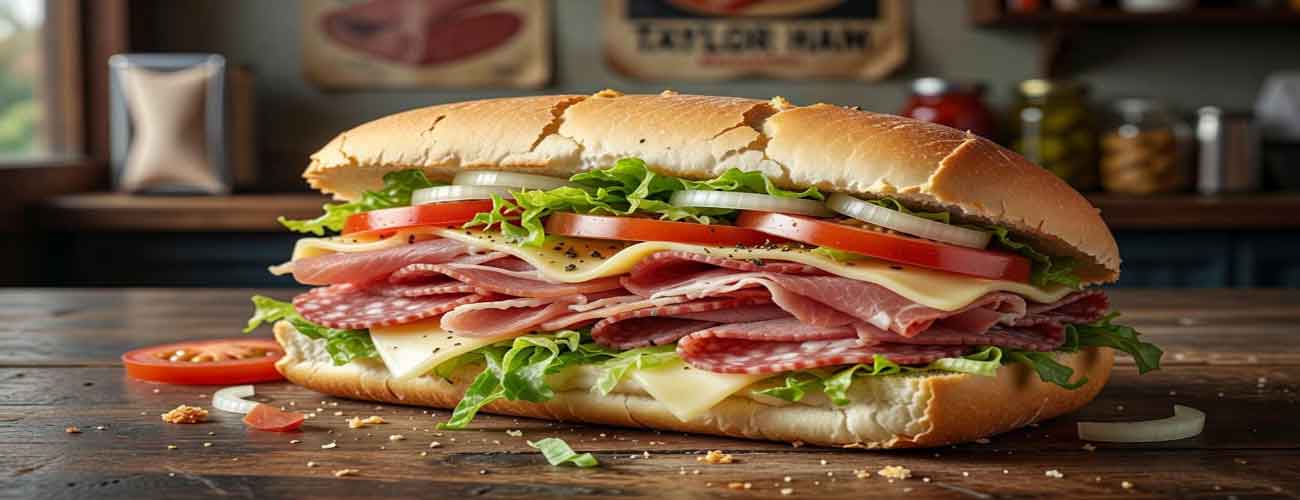
A New Jersey Italian Sandwich is a long Italian-style roll packed with sliced meats, cheese, vegetables, and sharp dressing. Salami, ham, capocollo, and provolone are common starting points. Most shops finish the sandwich with shredded lettuce, tomato, onion, olive oil, red wine vinegar, oregano, salt, and pepper.
There is no state-approved formula. One deli may pile on Genoa salami and capicola, while another adds mortadella, prosciutto, or cooked ham. Some use sharp provolone. Others use fresh mozzarella, often called mutz by regulars.
The sandwich grew from Italian-American deli traditions, where cured meats, cheese, bread, and pantry seasonings came together in a practical lunch. A well-built Italian sub has enough richness to feel substantial, yet enough vinegar and vegetables to keep every bite bright.
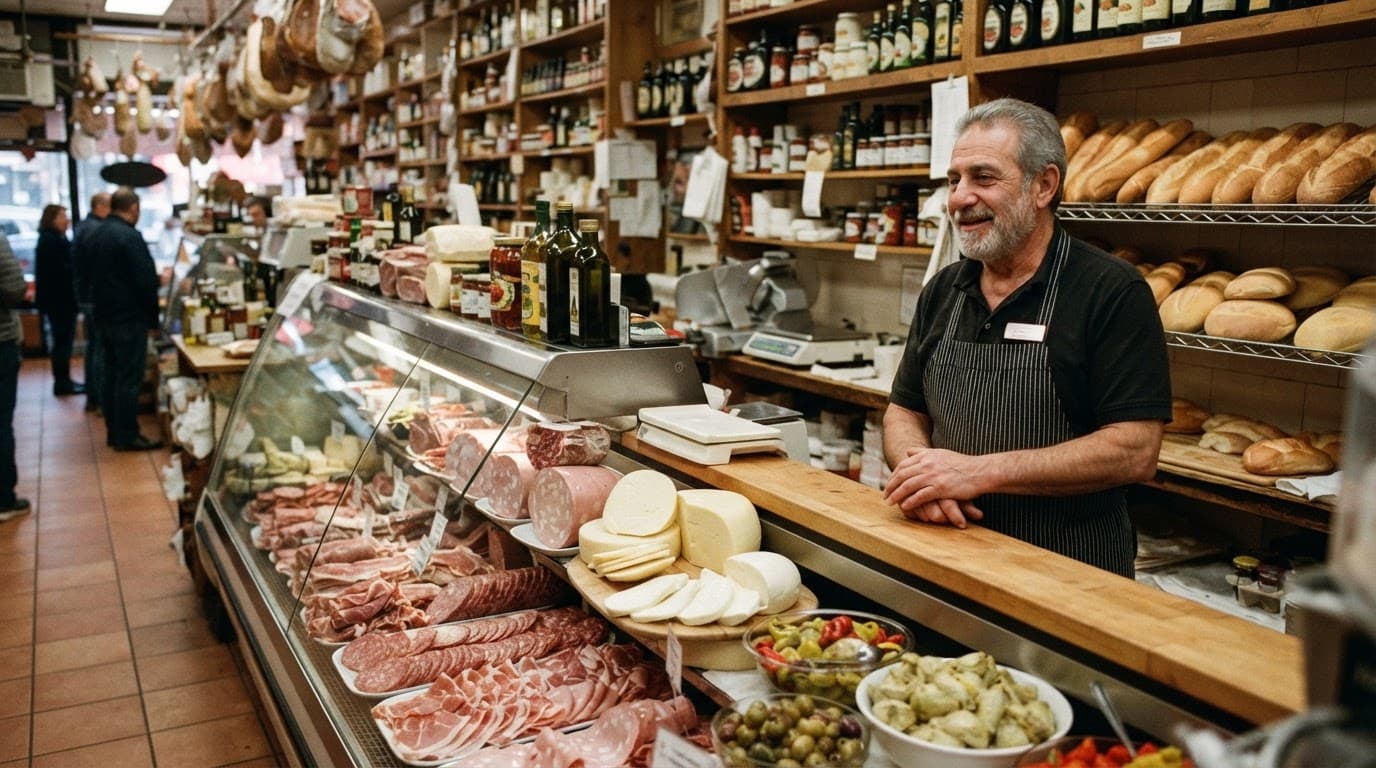
The ingredients that make it a classic Italian sandwich
The roll matters as much as the fillings. It should have a crisp outer crust, a soft center, and enough structure to hold dressing without collapsing. Seeded rolls add a nutty crunch, while plain Italian bread lets the meats take center stage.
Inside, each ingredient has a job. Salami brings fat and spice. Capocollo adds peppery depth. Ham softens the mix, and provolone supplies salt and tang. Lettuce gives snap, tomato adds moisture, and onion cuts through the richness.
Hot cherry peppers, roasted red peppers, long hots, and pickled peppers can add heat. Many delis also offer fresh mutz, prosciutto, or a double-meat version. For a useful look at the familiar cold-cut-and-dressing combination, see this Italian sub and hero guide.
Oil and vinegar should season the sandwich, not turn the bottom half of the roll into wet bread.
Order matters, too. Meat and cheese often sit against the bread, while lettuce, tomato, and onion stay closer to the dressing. That layering keeps the roll intact and spreads flavor through the whole sandwich.
How an Italian sub differs from a regular deli sandwich
A turkey-and-cheese sandwich can be a deli sandwich, but an Italian sandwich has a more defined personality. It relies on layered cured meats, Italian cheese, dressed vegetables, and oregano or similar seasonings.
Menus may call it an Italian combo, mixed sub, Italian hoagie, Italian hero, or simply "Italian." Those names often describe close relatives rather than separate foods. Still, the meat blend can vary enough that regulars know exactly which deli makes their favorite version.
Why New Jersey Calls It a Sub, Hoagie, or Hero
The three names come from regional speech and neighboring food cultures. They do not describe three completely different sandwiches. A North Jersey sub and a South Jersey hoagie may contain nearly identical ingredients.
However, language is local. A deli owner, a family's roots, and the commuters passing through town can shape the word printed on a menu. The history of those terms also has competing stories, including long-running debates about Italian sub origins.
Sub and Hero in North Jersey and areas near New York City
"Sub" is the everyday word in much of North Jersey. The term likely connects to the sandwich's elongated, submarine-like shape, although its exact naming history remains unsettled.
New York City influence is strong in Hudson, Bergen, Essex, Passaic, and Union counties. You may also hear "hero," especially at Italian delis with New York roots. A hero usually means the same sort of oversized, cold-cut-filled sandwich, though some places reserve the word for larger rolls.
Hoagie in South Jersey and the Philadelphia region
South Jersey speaks hoagie because Philadelphia is close in distance and culture. Cross the Delaware River, and "hoagie" is the default word at corner delis, sandwich counters, and neighborhood takeout spots.
One popular story links the name to Italian immigrant workers at Philadelphia's Hog Island shipyard. Other accounts trace it to earlier local slang. No single explanation settles the question
The word stuck because Philadelphia's hoagie culture traveled easily into Camden, Gloucester, Burlington, and Atlantic counties.
Why Central Jersey uses both names
Central Jersey sits between New York and Philadelphia language zones. As a result, a customer may ask for a sub in one town and a hoagie ten miles away without raising an eyebrow.
Princeton, New Brunswick, Edison, Trenton, and Shore towns all draw residents and workers with different food vocabularies. Some menus use both terms. Others choose "Italian combo" and avoid the regional argument altogether. Hero is less common here, but most deli customers understand it.
The Best New Jersey Italian Sandwiches by Region
No list can settle a statewide favorite, because every county has loyal regulars and family-run counters. These are strong starting points for an Italian sandwich tour. Menus, hours, and sandwich names can change, so check directly before making a special trip.
Northern New Jersey: Italian subs and heros
- In Hoboken, Fiore's House of Quality refers to hearty subs that are famous for house-made fresh mozzarella and old-school Italian deli sandwiches. Ask for their Prosciutto Di Parma and Mozzarella
- In Jersey City, Andrea Salumeria is a classic Italian deli where its hero The Soprano Sopresata with Prosciutto, Mozzarella, Sundry Tomatoes, Extra Virgin Olive Oil is a popular choice
- In Lyndhurst, Appetizzio's Italian Deli draws crowds for generous Heros sandwiches, including its Super Italian Hero With imported capicola, Hormel pepperoni, hot ham, imported provolone, marinated red roasted peppers, fresh basil, balsamic.
North Jersey shops often give the meats more prominence and use a firmer roll. Fresh mozzarella also appears more often than it does at a typical Philadelphia-style hoagie counter.
Central New Jersey: where subs and hoagies overlap
- In Princeton, Hoagie Haven puts its regional preference right in the name. The Italian hoagie is the appropriate baseline order for someone trying its well-known overstuffed style.
- In Edison, Tastee Sub Shop has long used the word sub. Its Italian Sub is a straightforward choice when you want the North Jersey term in a Central Jersey setting.
- At the Shore in Point Pleasant Beach, Joe Leone's Italian Specialties is known for prepared foods and deli sandwiches. The Italian Sub is a strong pick for cold cuts, sharp cheese, and a beach-day-sized roll.
Central Jersey is where labels blur most easily. The sandwiches tend to settle the argument better than the names do.
South Jersey: Philadelphia-style hoagies and local sub favorite
- PrimoHoagies has locations across South Jersey, including Camden County and Shore communities. The Primo Italian combines prosciutto, sharp provolone, sopressata, and Genoa salami in a distinctly Philadelphia-influenced build.
- In Atlantic City, White House Subs is a local institution. Its Italian Special is a classic order, loaded with Italian meats, cheese, lettuce, tomato, onion, and dressing.
- In Bellmawr, Carmen's Deli is a dependable stop for a traditional Italian Hoagie, with the heavily filled, dressed-on-the-paper style common near Philadelphia.
South Jersey hoagies often arrive fuller, softer, and more generously dressed. The produce may take up more space than it does in a North Jersey sub, which gives the sandwich a lighter, juicier bite.
How to Order the Right New Jersey Italian Sandwich
Start with the house language. Ask for an Italian sub in North Jersey, an Italian hoagie in South Jersey, or use the exact menu name anywhere else. Deli staff will understand the request either way, but local wording makes the order smoother.
Choosing between a cold Italian sandwich and a hot version
The traditional deli-style Italian is cold. The meats stay sliced and supple, the cheese remains firm, and the oil and vinegar wake up the vegetables.
A hot version can be excellent, especially with melted provolone, roasted peppers, or toasted bread. Still, toast changes the texture and shifts the sandwich closer to a hot grinder or cheesesteak-adjacent creation.

What to look for in a great sub, hoagie, or hero
A great sandwich should feel generous without being impossible to eat. Look for:
- Fresh bread that compresses slightly but doesn't split under the filling.
- Meats and cheese in balance, rather than a thick stack of one ingredient.
- Crisp lettuce, ripe tomato, and onion cut thin enough for a clean bite.
- Oil, vinegar, oregano, salt, and pepper applied with restraint.
- Tight layering that keeps the sandwich together until the final bite.
The Name Changes, the Sandwich Endures
The New Jersey Italian Sandwich has three familiar names because the state sits between powerful food cultures. Sub dominates much of North Jersey, hoagie rules in the south, and Central Jersey uses both with ease.
Order the local term if you want, but judge the sandwich by the roll, the meats, the cheese, and the balance of dressing. A good Italian sandwich never needs a label to prove its point.
Frequently Asked Questions About
New Jersey Italian Sandwiches
What is a New Jersey Italian sandwich?
A New Jersey Italian sandwich is a long Italian-style roll filled with cured meats, cheese, vegetables, and dressing. Common ingredients include salami, ham, capocollo, provolone, lettuce, tomato, onion, olive oil, red wine vinegar, and oregano.
Is a New Jersey Italian sandwich called a sub, hoagie, or hero?
The name depends on location. "Sub" is common in North Jersey, "hoagie" is preferred in South Jersey because of Philadelphia influence, and "hero" appears more often in areas near New York City.
What ingredients go in a New Jersey Italian sandwich?
Most versions include Italian cold cuts, provolone or fresh mozzarella, lettuce, tomato, onion, oil, vinegar, oregano, salt, and pepper. Delis may also add capicola, mortadella, prosciutto, roasted peppers, cherry peppers, or pickled peppers.
What is the difference between an Italian sub and a regular deli sandwich?
An Italian sub uses a defined combination of cured meats, Italian cheese, dressed vegetables, and seasonings. A turkey-and-cheese sandwich is a general deli sandwich, while an Italian sandwich has a more consistent flavor profile and ingredient style.
Where can you find good Italian sandwiches in New Jersey?
Northern New Jersey options include Fiore's House of Quality in Hoboken and Andrea Salumeria in Jersey City. Central and South Jersey choices include Hoagie Haven in Princeton, White House Subs in Atlantic City, and PrimoHoagies locations across South Jersey.

Find New Jersey’s must‑try cheesesteak delis and restaurants for bold, satisfying bites

Where to Find the Best BBQ in New Jersey—Ribs, Brisket, and More


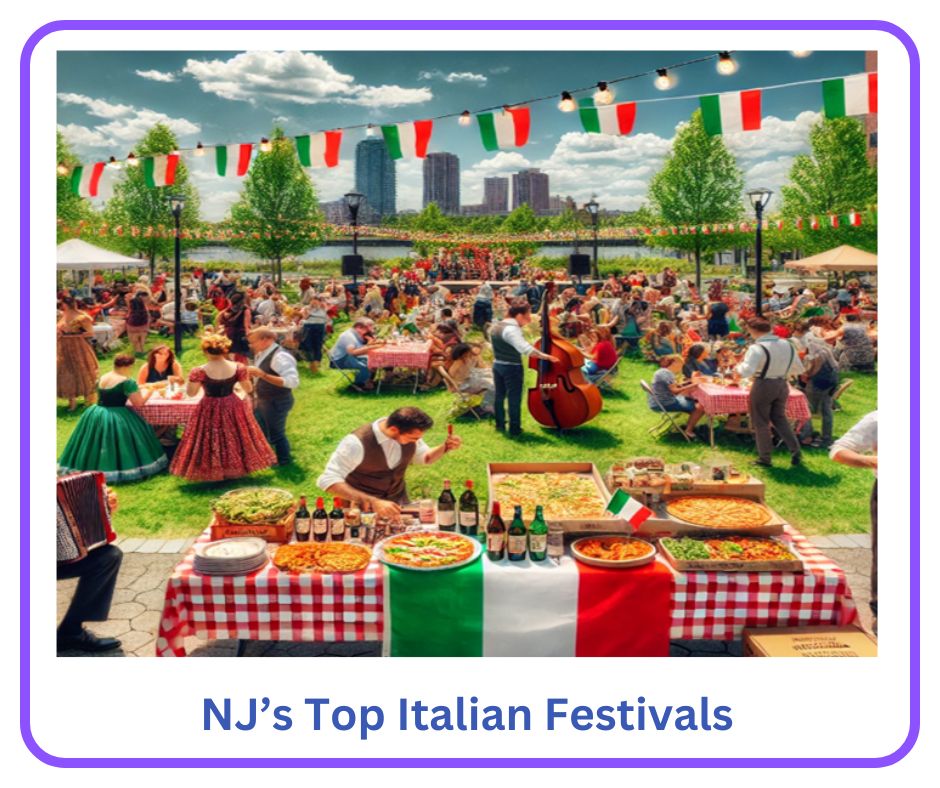
Discover New Jersey’s top Italian festivals celebrating food, music, and vibrant cultural traditions
Recent Articles


-
2026 New Jersey Restaurant Weeks: Schedule, Menus & Best Deals
Sep 16, 26 04:26 PM
 Plan your culinary tour with the complete 2026 New Jersey Restaurant Weeks guide. Find dates, prix fixe pricing, and participating restaurants
 -
New Jersey Oktoberfest 2026: Top NJ Events & Guide
Sep 16, 26 11:10 AM
 Find every can’t-miss New Jersey Oktoberfest in 2026. Explore the best NJ Oktoberfest events for authentic food, beer, music, and family fun.
 -
Guide to New Jersey Fall Activities and Festivals: 2026
Sep 15, 26 05:35 PM
Plan your 2026 autumn with this guide to New Jersey fall activities and festivals, including seasonal events, local fun, and family-friendly ideas.