16 Best NJ Farms for Organic Free Range Turkeys
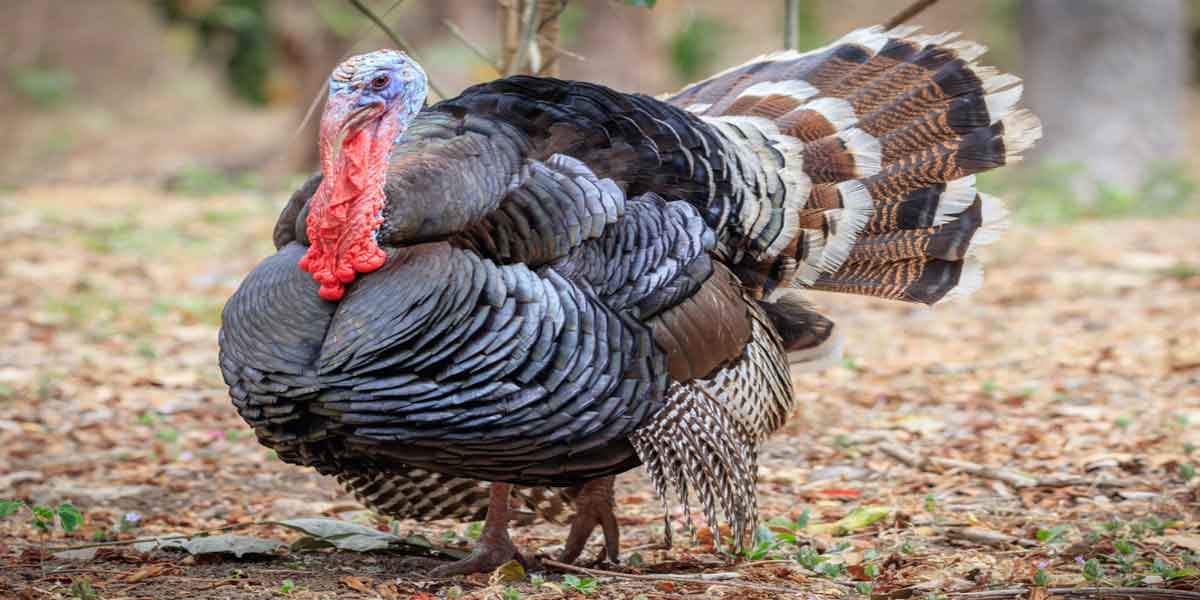
Ultimate Guide to NJ Sources for Organic Free Range Turkeys
Looking for the best NJ organic turkey farms near you that offer ethically raised, free-range birds? Whether you're preparing for a holiday feast or simply seeking healthier, locally sourced poultry, New Jersey is home to a growing number of farms committed to sustainable practices and organic standards. This guide is your go-to resource for discovering the best NJ organic turkey farms in NJ, where quality, transparency, and animal welfare come first.
From family-owned operations nestled in the Garden State’s countryside to innovative farms redefining organic poultry production, we’ve curated a list of the best New Jersey organic turkey farms in NJ that deliver flavor, freshness, and peace of mind. Whether you're a local resident or planning a seasonal visit, this guide will help you find the perfect farm to meet your needs—complete with tips on ordering, pickup, and what makes each farm unique.
The Garden State Is Ideal For Organic Farmed Turkeys
While New Jersey is not noted for having the land mass to attract the large commercial farms, it is ideally situated to accommodate the small, family farm who can sustain a profitable income with organic produce, meats and poultry, purchased in the community by local consumers.
Are Factory Grown "Supermarket Turkeys" Healthy?
Turkeys raised by commercial farms are very different today than the turkeys found on the Thanksgiving Day table our grandparents and ancestors cooked. Today, the large majority of all turkeys raised in the U.S. are grown on commercial farms.
Commercially grown turkeys are raised in confinement in crowded conditions and are fed a diet of grain and supplements like antibiotics and growth hormones, and are packaged with artificial flavors and colors for an attractive display at your local supermarket. Antibiotics are routinely used in commercial agriculture to accelerate livestock growth and prevent diseases common to confined living quarters. Turkeys are force fed chemicals that are designed to grow large, white meaty breasts.
The popular factory raised turkey is the Broad Breasted White and are so obese that they can barely walk, fly or even lay eggs. They are incapable of mating and are artificially inseminated. Because they lack immunity to a host of diseases, they receive antibiotics in their feed. These bionic birds are sent to market in only twelve weeks. By limiting turkey production to a single strain, we are putting at risk the longevity of the breed. As a result, game bird conservationists are promoting the idea that heritage birds may someday be needed to save the bionic raised birds.
The "Supermarket" White Turkey
The White Turkey is a cross breed that is the most popular turkey sold in supermarkets. The commercially raised broad breasted white turkey is sometimes referred to as the "supermarket turkey" that is bionically raised and sent to market in 12 weeks.
The Popular New Jersey Organic Turkey
Heritage Turkeys - The Red Bourbon Turkey
Heritage turkeys are turkeys that have not been crossbred to enlarge its size and are the birds our ancestors ate at their Thanksgiving celebrations. At the turn of the 20th century each region of the country had its favorite breed of turkey. One of the more popular heritage turkeys raised in New Jersey is the Red Bourbon turkey. The Red Bourbon takes longer to grow, usually 26-28 weeks, is smaller and leaner bird with darker meat, but there is still enough white meat to satisfy everyone. The Red Bourbon turkey is better tasting, without any gamy taste.
Turkey Cooking Tip
Contrary to way most turkeys are cooked, do not roast your turkey with the stuffing inside the cavity. The stuffing inside prevents the interior of the turkey to reach sufficient temperatures to kill all the bacteria. Cook the stuffing and turkey separately.
New Jersey Certified Organic Turkey Farms and Markets
Note: These suppliers (farms) have been verified either against the List of Certified USDA Organic operations or the list of NJDA-Certified Organic. Only certified operations may sell, label, or represent their product as organic unless exempt or excluded from certification.
D'Artagnan, LLC.
600 Green Lane
Union, NJ
A wholesale & retail, and on-line delivery supplier of high quality meats, turkeys, and other items.
Raised on a small-scale Midwestern farm in the USA, not a factory farm, White Broad-breasted hybrid breed Turkeys are humanely raised free-range with access to the outdoors 100% organic, non-GMO, all-vegetarian grain diet of corn and soy, and pure spring water without chlorine or fluoride
They also sell Green Circle turkey, a very special bird, available exclusively at D'Artagnan. Every turkey that bears the Green Circle label is certified by [MOSA] Midwest Organic Services Association, Inc
Rastelli Foods
300 Heron Dr,
Swedesboro, NJ
Their turkey is raised on American Humane Association-certified family farms in North Carolina, and certified by [CCOF] CCOF Certification Services, LLC which has a long, rich tradition of poultry farming. The birds have regular access to outdoor pastures with plenty of grass and shade. They're fed an all-vegetarian diet and always remain antibiotics, steroids and hormone-free. They offer shiipping for their Oven Ready Turkey Roast --- Expertly seasoned for a beautiful presentation.
Non-certified Organic New Jersey Turkey Farms/Markets that avoid the use of growth hormones, antibiotics, and preservatives
Note: These suppliers (farms) while not having been certified USDA organic, nonetheless, practice operations that avoid the use of growth hormones, antibiotics, preservatives, or fillers. Some of the farms below use Sustainable agriculture systems with processes and techniques to produce healthy and environmentally safe food.Northern New Jersey Non-certified Organic Turkey Farms/Markets
Ashley Farms
25 Hillside Avenue
Flanders, NJ 07836
They produce their own feed to ensure that the turkeys get the nutrients they need. Their turkeys are not given any growth hormones, antibiotics, preservatives, or fillers. They also are handled by a small number of people, which greatly reduces the stress on the birds and also reduces the chance that they will get sick. All processing is done on the premises and is mostly done by hand, which reduces bruising. Turkeys range in size from 13 to 45 pounds.
The Farm at Glenwood Mountain
1801 County Road 565
Sussex, NJ
A family farm on 170 acres in the mountains of northern New Jersey. They raise and sell free-range, all-natural breed turkeys with the use of antibiotics or hormones.
Flatbrook Farm
2 Degroat Road
Montague, NJ
A fully working farm offering free-range, grass-fed turkeys, chickens, eggs, and naturally raised beef. The farm allows the animals to live naturally on pastures and woodlands, and rotationally graze on sweet grass and legumes until appropriate maturity. The turkeys are fed transitional organic feed. Uses Sustainable agriculture systems.
The Goffle Road Poultry Farm
549 Goffle Road
Wyckoff, NJ
Sells all-natural, custom grown, free of antibiotics, hormones, preservatives, and animal by-products. The poultry at Goffle Road Poultry Farm enjoy a non-stressful Free Roaming environment and are fed a diet of grain and corn exclusively. Their free-range and all natural birds are grown in cooperation with Amish farmers in Pennsylvania.
Three Meadows Farms
1130 Burnt Mills Road
Bedminster Township, NJ
Three Meadows Farm is a social enterprise of Somerset Hills Learning Institute, a private non-profit program that offers a broad spectrum of science-based services and education to children, adolescents, and adults with autism. Each purchase from Three Meadows Farm supports the Institute's ability to provide quality treatment and education.
Turkeys are sold at their farm stand and are raised neaby. The turkeys are alll-natural Heritage, double-breasted, bronze turkeys, raised free-range with all natural feed and zero growth hormones or antibiotics.
Vacchiano Farm
803 Route 202
Readington, NJ
The farm where they raise livestock is located in the beautiful "Skylands" region of northwest Jersey.
They raise and sell Heritage Breed turkeys free range turkeys without the use of antibiotics, hormones or growth stimulants.
Poultry is sold out of their Farmhouse Store in Readington.
Central New Jersey Non-certified Organic Turkey Farms/Markets
DiPaola Turkey Farms Inc.
891 Edinburg Road
Hamilton, NJ
Turkeys are
farm raised, vegetarian fed, with no antibiotics or hormones.
Double Brook Farm
Retail Store:
Brick Farm Market
65 East Broad Street
Hopewell, NJ
They own and rent over 800 acres of farmland around Hopwell Township. Their products are sold at Brick Farm Market.They raise and sell Broad-Breasted Whites, Blue Slate, Black Spanish, Narragansett and Bourbon Red, un-caged, free roaming turkeys.
Gordon Dey Farms
215 Dey Rd
Cranbury, NJ
Turkeys are free range and fed all natural feed made of grain and corn.
Griggstown Farm and Market
986 Canal Rd.
Princeton, NJ 08540
(Enter on Bunker Hill Rd)
Has over 75 acres of land and raises over 35,000 pheasants, 70,000 quail, 150,000 chickens and, when in season, Mallard and Muscovy ducks, both white and red bourbon turkeys, and partridge. All the birds are free-range and all natural. They have a retail market and accept orders over their web site. The heritage breed turkeys, are the closest breed to the turkeys that the Pilgrims ate. They also raise free range traditional white turkeys and free range pheasants, which are available in the store from October until March.
Hickory Corner Farm
201 Hickory Corner Rd.
East Windsor, NJ
The turkeys are all raised on their farm and sold as oven ready whole turkey and turkey parts such as boneless breast meat, thighs, wings and legs. The turkeys are fed a natural feed mix and are raised without medications or growth hormones. Advance orders for oven ready whole turkeys are only necessary during Thanksgiving and Christmas. For the rest of the year just come on over; They have turkeys in most every size! Fresh turkeys are only available October through January 2nd.
Hinck Turkey farm
1414 Atlantic Avenue
Manasquan, NJ 08736
Turkeys are raised cage-free and fed only the fines all-natural, grains, (no animal proteins or by products), without growth hormones or antibiotics.
Spring Valley Turkey Farm
402 Spring Valley Road
Old Bridge, NJ
The turkeys are Broad Breasted Whites that live their lives on pasture grazing our open green grass and foraging outdoors as they were naturally intended to do. Their diet is supplemented with an all natural, local feed high in protein, calcium and vitamins with no added hormones, antibiotics or steroids.
Southern New Jersey Non-certified Organic Turkey Farms/Markets
Smith Poultry Farm
2084 Winslow Rd.
Williamstown , NJ
They are a small farm, that raises free range turkeys and pastured poultry.
They will be delivering or meeting at drop points for customers convenience.

Recent Articles


-
Guide to NJ's best historic restaurants for Thanksgiving Dining
Oct 17, 26 02:53 PM
 Discover New Jersey's best historic restaurants for 2026 Thanksgiving dining: Charming colonial inns, and memorable holiday meals for family and friends.
 -
The Best Year-Round New Jersey Fireworks, Drone, Laser Light Shows
Oct 16, 26 02:17 PM
 Find the best 2026 year-round New Jersey fireworks, drone, and laser light shows for safe, memorable events that light up the night.
 -
2026 Best New Jersey Wine Festivals: Top Vineyard Community Events
Oct 14, 26 05:15 PM
 Discover 2026 New Jersey wine festivals. From the Sussex County hills to the Jersey Shore, the best events featuring wine tastings, live music, and food.


