Esquina No 525 Restaurant Review: A must try spot in Asbury Park, NJ
Esquina No 525
525 Cookman Ave,
Asbury Park, NJ
Esquina No. 525 is a new Asbury Park restaurant opened in August 2026 as a concept from Hungry Trio Hospitality, the group associated with Aarzu Modern Indian Bistro in Freehold, NJ and Ramen Nagomi with 4 locations in NJ.
Esquina No 525: Prices, Cuisine, Menu & Chef
Price: Expensive with several moderately priced small plates but substantially higher prices for premium seafood and Wagyu.
Fare: Nikkei cuisine, a culinary tradition that combines Japanese cooking techniques with Peruvian ingredients and flavors.
Menu Highlights
- Yellowtail Tiradito — miso, coriander, orange tobiko, yuzu and green apple
- Sea Bass Ceviche — choclo, cancha, sweet potato and leche de tigre
- Red Snapper & Truffle Ceviche
- Tuna Chifa — chili, garlic, sesame and nori cracker
- Roasted Octopus — slow-cooked with potato purée, bottarga, panko and wasabi
- Whole Bronzino — burnt nori butter and fennel salad
- Sea Bass Cazuela — Chilean sea bass, bomba rice and sweet corn
- Lamb Chops — ají panca, rosemary and plum purée
- Wagyu Sirloin — Grade 7, chimichurri and togarashi
- Japanese Miyazaki A5 Wagyu
- Yuzu Cheesecake
- Chocolate Cookie with Manjari 64% chocolate, coconut ice cream and miso
The Chef: Marques Tone
Chef Marques Tone serves as Culinary Director at Esquina No. 525, bringing substantial international experience to the restaurant's Nikkei concept. His background includes more than 15 years in international culinary operations, with experience in kitchens in London, Mumbai and Dubai. His culinary education includes a bachelor's degree in Hotel & Tourism Management and a postgraduate diploma in Culinary Arts from West London College.
Cooking Style
Tone's approach at Esquina No. 525 is built around the meeting of Peruvian ingredients and Japanese culinary technique. The restaurant describes its cooking as precise but bold, incorporating sashimi-style knife work, fermentation, dashi, miso, rice and binchotan charcoal with Peruvian ingredients such as ají amarillo, rocoto, choclo, cancha, huacatay, lúcuma and purple corn.
One of the restaurant's defining techniques is robata, Japanese charcoal cooking over binchotan. Seafood and meats are finished over the charcoal fire, creating a smoky element that contrasts with the acidity, spice and freshness associated with Peruvian cooking.
Ingredients & Preparation
The kitchen emphasizes fresh seafood, Peruvian produce and Japanese pantry ingredients. Expect ingredients such as lime, ají peppers, choclo, cancha, huacatay, yuzu, miso, nori, ponzu, wasabi and Japanese rice.
Ambiance: Décor, Vibe & Dining Room
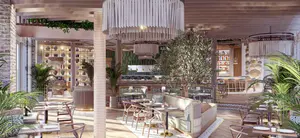
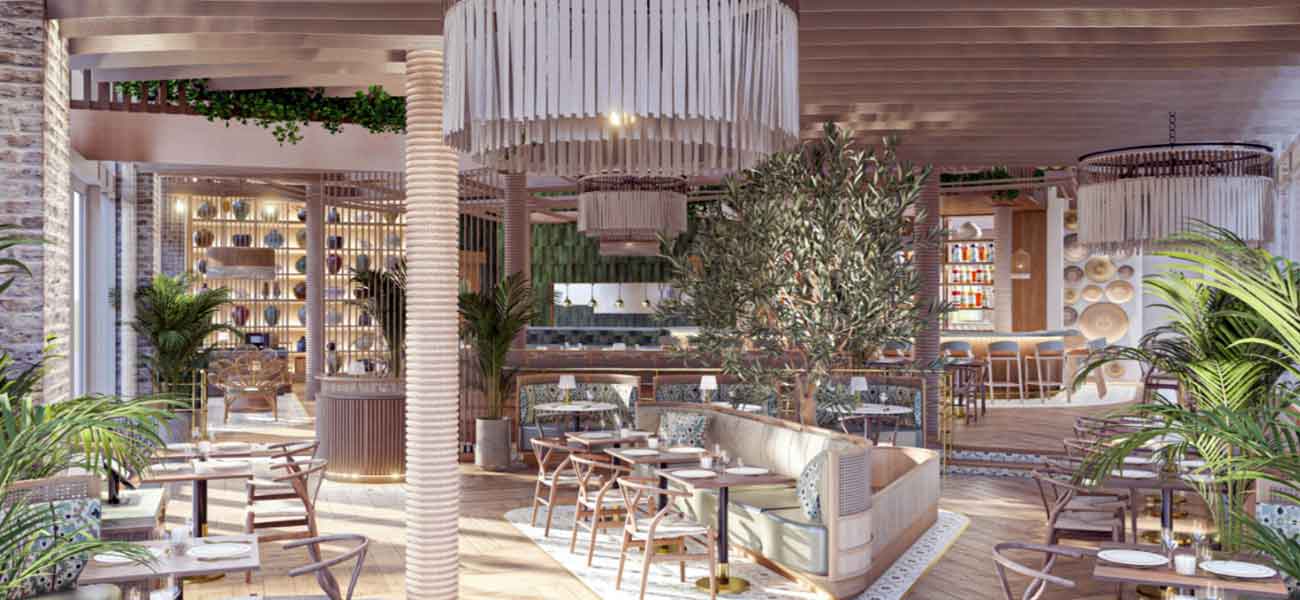
Esquina No. 525 occupies a prominent corner location in the Steinbach Building at Cookman and Bangs avenues. The restaurants interior features the combining of earthy tones with colorful accents, creating a warm, energetic and contemporary environment.
Décor & Striking Features
The restaurant's identity changes as the evening progresses with three distinct stages:
- 5 p.m. — Golden Hour: brighter lighting and a polished atmosphere
- 7 p.m. — Amber: a fuller room, stronger music and increased energy
- 9 p.m. — After Hours: lower lighting and louder music
That progression makes the restaurant particularly different from a traditional quiet neighborhood restaurant.
The space also includes banquettes, a chef's counter and lounge seating, while the chef's counter provides an opportunity to watch the kitchen work.
Table Spacing & Noise Level
The restaurant is intentionally designed as an energetic dining and cocktail destination rather than a hushed fine-dining room. The restaurant itself says that music builds during the evening and that the lights dim and music increases later at night.
Expect a livelier, more energetic environment after approximately 7 p.m. Guests seeking a quiet conversation may want to consider an earlier seating.
Background Music
Music is part of the restaurant's experience and becomes more prominent later in the evening. The 9 p.m. period is "After Hours," with lower lighting and increased music.
Service & Staffing
Esquina No. 525 is positioned as a polished, hospitality-driven restaurant. The restaurant has both front-of-house and back-of-house positions and offers private-event service with a dedicated event coordinator.
Because Esquina No. 525 is a new restaurant that opened in August 2026, service patterns, staffing levels and pacing are still worth evaluating during an actual visit.
Alcohol & Bar Service
The bar is an important part of the Esquina No. 525 experience. The cocktail menu emphasizes pisco, shochu, tequila, gin, Japanese whisky and bourbon, with creative drinks such as:
- Shochu Garibaldi
- Eucalyptus Gimlet
- Akane
- Ica
- Toki(o)
- Gomae Old Fashioned
- Siempre
The beverage program complements the Japanese-Peruvian cuisine rather than functioning simply as a conventional restaurant bar.
Child-Friendly: Is Esquina No. 525 Good for Families?
Esquina No. 525 is not primarily positioned as a children's restaurant. Its sophisticated food, raw seafood, premium meats, cocktails and increasingly energetic evening atmosphere make it more naturally suited to adults and older children interested in trying different cuisines.
Families with children can certainly ask about accommodations, but parents looking for a casual children's menu or a quiet family dinner may find the restaurant's concept less suitable.
Best family strategy: consider an early dinner when the atmosphere is brighter and less energetic.
Best For
Esquina No. 525 is particularly suited to:
- Date nights
- Couples seeking an upscale Asbury Park dining experience
- Food enthusiasts interested in Nikkei cuisine
- Diners who enjoy Peruvian and Japanese flavors
- Seafood lovers
- Guests who enjoy ceviche, tiradito and raw preparations
- Cocktail enthusiasts
- Groups comfortable sharing multiple dishes
- Celebrations and special occasions
- Diners who enjoy an energetic restaurant atmosphere
The restaurant also offers private dining options, including banquettes for 20–30 guests, a chef's counter for 10–14 and full buyouts for receptions of up to 120 people.
Not Ideal For
It may be less appropriate for diners seeking:
- Very quiet dining
- Traditional American or Italian food
- An inexpensive dinner
- A children's-focused menu
- Oceanfront dining
- A large conventional entrée with familiar side dishes
- A low-key restaurant atmosphere later in the evening
Parking
Esquina No. 525 is located at 525 Cookman Ave., at the corner of Cookman and Bangs avenues. The restaurant identifies a municipal parking lot one block north.
Because the restaurant is in downtown Asbury Park, allow additional time to locate parking, particularly during busy evenings and major events.
What I Like About Esquina No. 525
What immediately stands out is that Esquina No. 525 isn't simply another restaurant serving a familiar variation of Asian or Latin food. Its identity is much more specific: Peruvian ingredients meet Japanese technique through ceviche, tiradito, sashimi-style knife work, fermentation and robata charcoal cooking.
I also like the breadth of the menu. A couple can begin with ceviche or tiradito, move to seafood from the robata, share a premium meat dish and finish with dessert. The menu encourages exploration rather than requiring every diner to order a traditional individual entrée.
The cocktail program is another strength conceptually. Pisco and shochu-based drinks reinforce the restaurant's Japanese-Peruvian identity instead of feeling like an unrelated bar menu.
What Sets Esquina No. 525 Apart From Its Competition?
The biggest differentiator is Nikkei cuisine. While Asbury Park has many restaurants representing different culinary traditions, Esquina No. 525 has built its identity around the relatively distinctive combination of Peruvian ingredients and Japanese culinary technique.
The binchotan robata grill adds another layer of distinction. The restaurant takes ingredients associated with Peru and subjects them to a Japanese charcoal-cooking technique, creating dishes that can combine acidity, spice, umami and smoke in a single plate.
Chef Marques Tone's international background in Peruvian cuisine and Japanese-influenced cooking also gives the concept a culinary foundation beyond simply labeling the menu "fusion."
Managing Expectations: A Balanced Look at Your Visit
To really enjoy Esquina No. 525, it helps to align your expectations with what the restaurant is designed to be:
Best mindset to bring:
Esquina No. 525 is a new restaurant, having opened in August 2026, and it initially launched with limited seating and a deliberately focused menu.
That means a first visit should be approached as an introduction to a developing restaurant rather than as a fully established dining institution.
The food is likely to be most rewarding for diners who enjoy experimentation and bold combinations. Ceviche, tiradito, raw seafood, ají, yuzu, miso, wasabi, fermented flavors and charcoal cooking are central to the experience. Someone expecting a conventional steakhouse, traditional Japanese restaurant or straightforward Peruvian restaurant may have a very different experience.
Likewise, the atmosphere changes substantially as the evening progresses. An early dinner can offer a brighter, more polished environment, while later hours become darker, louder and more cocktail-oriented.
Finally, this is not an inexpensive restaurant. While there are $15–$24 small plates and several dishes in the $29–$38 range, premium seafood and meat can push the cost considerably higher. The current menu lists Wagyu at $95 and Japanese A5 Wagyu at $150 when available.
Bottom Line
Esquina No. 525 brings a distinctive Japanese-Peruvian Nikkei concept to downtown Asbury Park, combining Peruvian ingredients, Japanese technique, raw seafood, ceviche, tiradito, binchotan robata cooking and an inventive cocktail program.
With Chef Marques Tone's international culinary background and a deliberately energetic dining room, it is positioned as much as an evening experience as a restaurant.
For diners curious about something different, the most important expectation is to come prepared for bold flavors, shared dishes, premium ingredients and a restaurant that becomes increasingly lively as the evening progresses.
Updated: September 18, 2026


Explore New Jersey’s hottest new restaurant grand openings across the state
Recent Articles


-
Ultimate Guide to The Best Restaurants in Asbury Park, NJ
Sep 18, 26 04:53 PM
 Explore Asbury Park New Jersey restaurants, with top local dining spots, fresh options, and easy picks for your next meal.
 -
Grand Openings: Best New Jersey Restaurants To Try in 2026
Sep 18, 26 04:34 PM
 Discover the most Most Talked-About New Jersey Restaurant Openings. This list will be updated throughout 2026
 -
Esquina No 525 a Must-Visit Restaurant in Asbury Park, NJ
Sep 18, 26 04:12 PM
 Read our in depth review of Esquina No 525 Restaurant, Asbury Park, NJ. Discover why it earns top marks for food, ambiance and service